



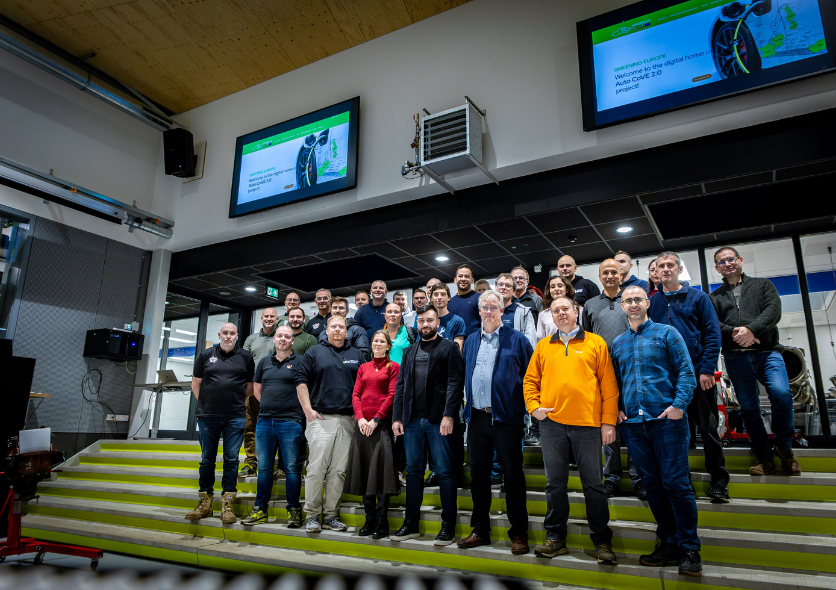
From 18–20 November 2025, partners of the Erasmus+ Centres of Vocational Excellence (CoVE) initiative gathered in ’s-Hertogenbosch, the Netherlands, for the 4th Collaborative Development Workshop of Auto CoVE 2.0. Hosted by Koning Willem I College (KW1C), the three-day event brought together vocational schools, universities, technology partners, and industry representatives.
With a shared mission to improve and innovate clean-tech vehicle education—particularly in the fields of electric mobility, hydrogen technology, and advanced driver-assistance systems (ADAS)—the workshop provided a rich environment for co-creation, exchange, and hands-on learning.
Day 1: Collaboration, Innovation, and Immersive Learning with Electude
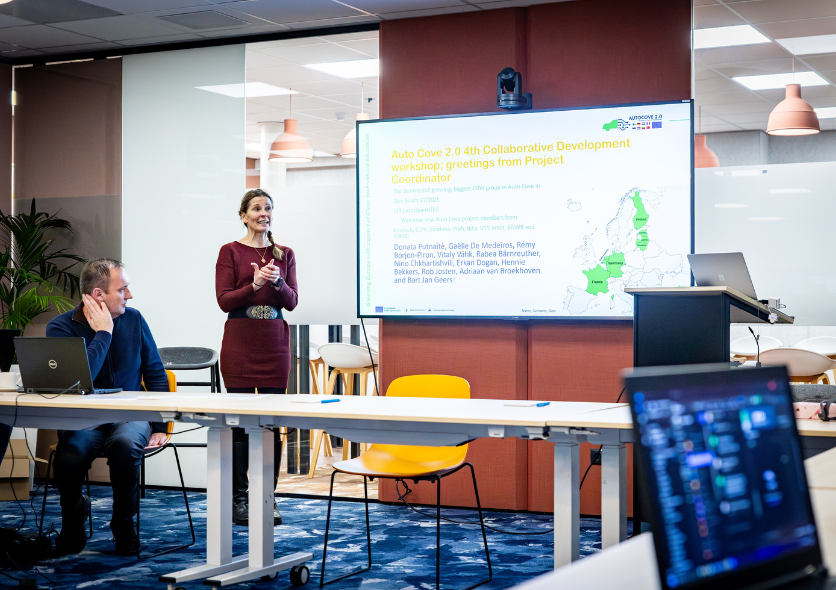
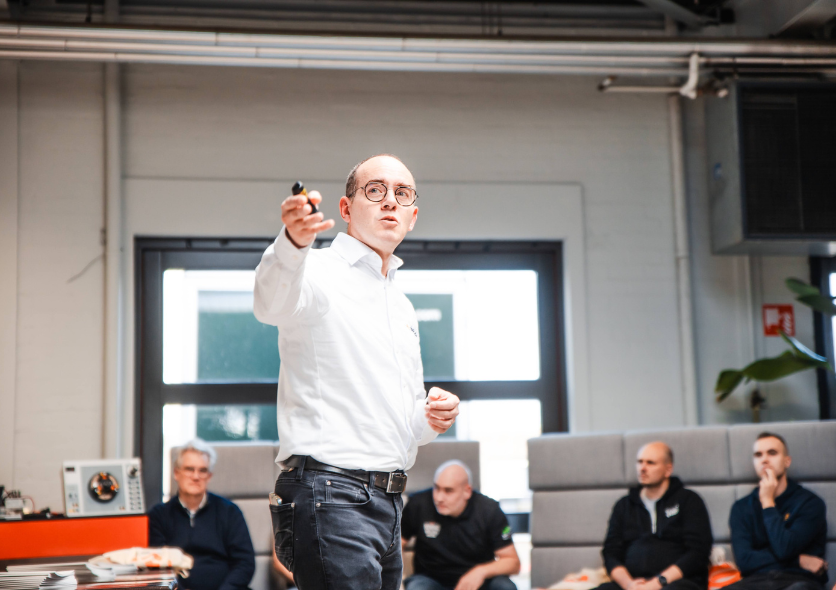
The workshop opened at KW1C’s School of the Future, where participants were welcomed by local hosts and introduced to the programme. The morning sessions highlighted progress made across the consortium:
-
Tartu VOCO (EE) presented a process update with a focus on developments in AI-supported education.
-
Izmit IMTAL (TR) shared insights into team organisation and lesson development in Electude.
-
Electude International provided updates on translation work, organisational support, and innovation in learning modules.
-
VTT (FI) reported on their role in supporting teams during the creation of Electude modules.
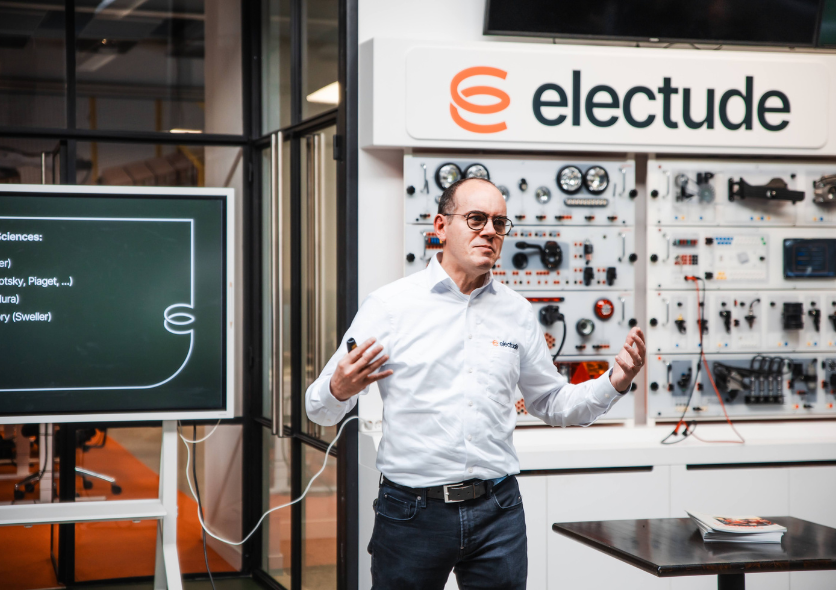
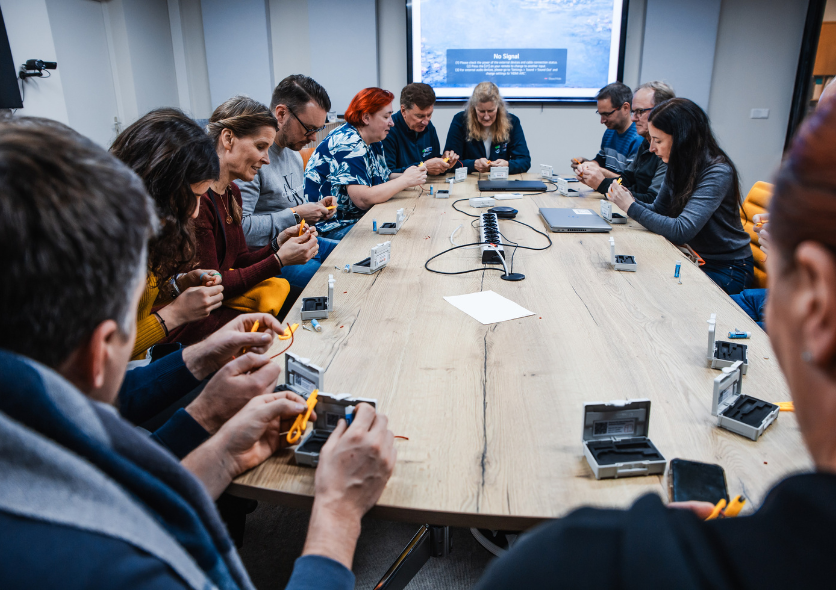
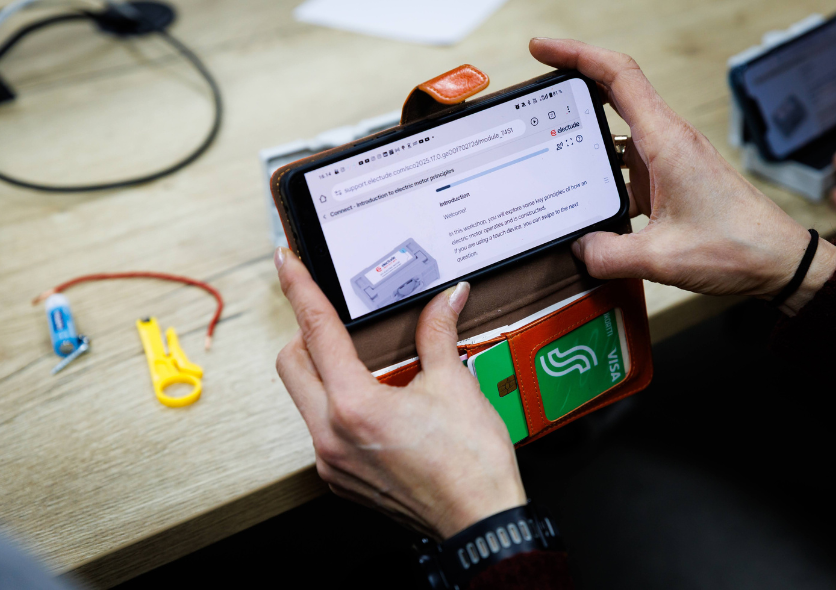
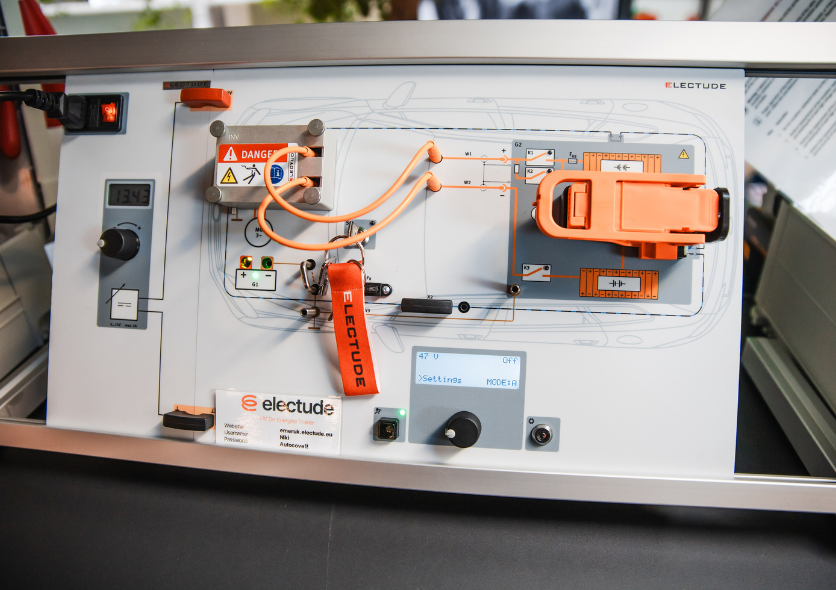
The afternoon was dedicated to an immersive visit to Electude’s facilities, including presentations on the four phases of learning, ongoing platform development, and practical demonstrations of the Electude Connect environment. Participants rotated through breakout sessions, gaining first-hand experience in using and applying the tools.
Continue reading article after video
Day 2: Course Development, ADAS Piloting, and Hydrogen Vehicle Training
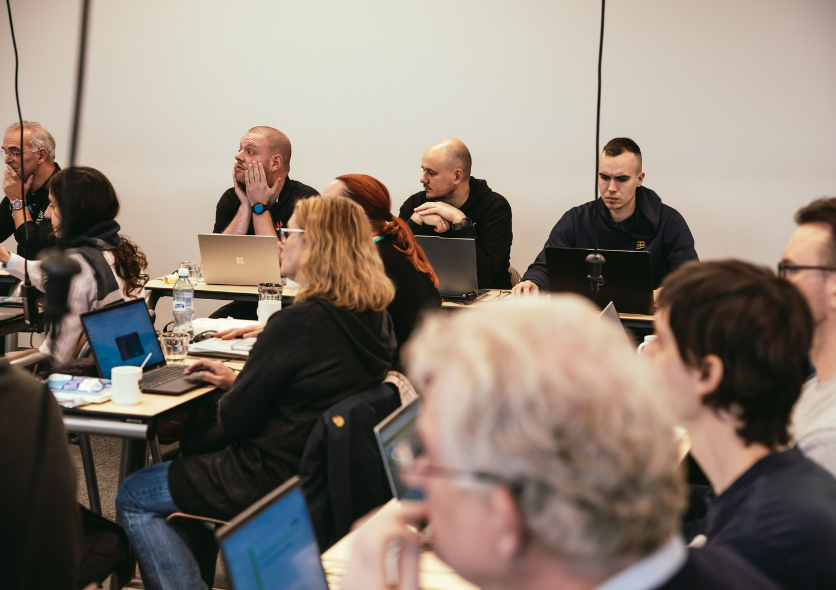
The second day, held at KW1C’s Onderwijsboulevard campus, focused on course structure, ADAS education, and practical training.
Morning: Strengthening Course Design and Piloting
-
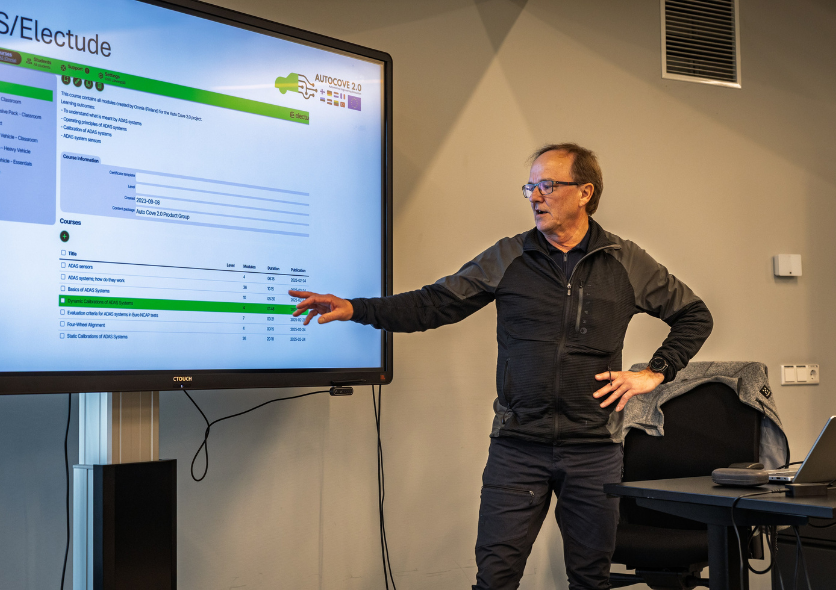
Omnia (FI) delivered two sessions on Electude modules, overall course structure, and testing strategies, complemented by insights from earlier ADAS workshops in Lithuania and France.
-
SEPR (FR) and Ecodime presented their preparation for ADAS piloting, supported remotely by Pelin Ünlü.
After a shared lunch in KW1C’s Mensa, participants returned for a specialised hands-on training session.
Afternoon: Hydrogen Car Training
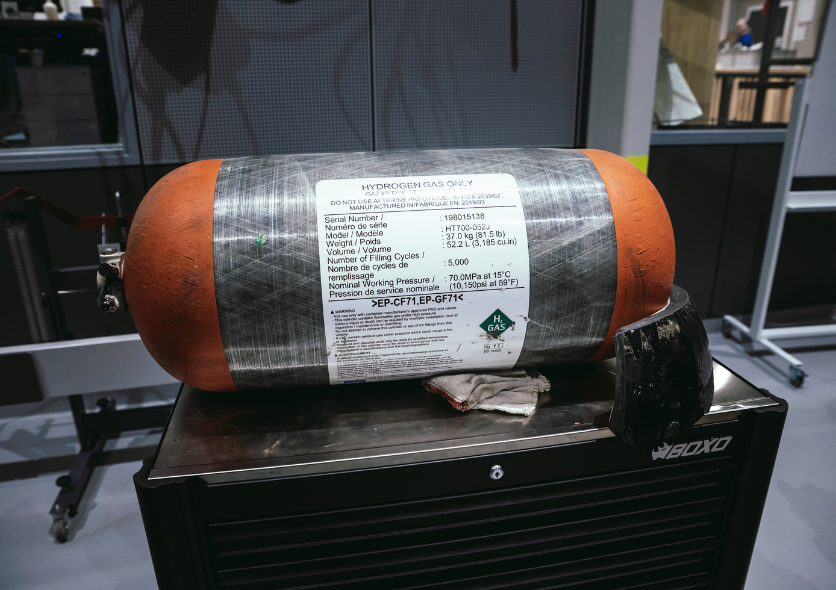
Participants explored the Adriaan IX35 Hydrogen Car—a unique opportunity to work directly with hydrogen vehicle systems. Four rotating groups spent the afternoon at workstations with KW1C experts, discussing practical approaches to teaching hydrogen technology safely and effectively.
The day concluded with free time to explore the city or engage in informal networking.
Continue reading article after photo gallery
Day 3: Student Mobilities, Industry Partnerships, and Future Planning
The final day highlighted key achievements in mobility, industry collaboration, and upcoming project phases.
Mobility & Industry Engagement
-
THWS (DE) shared experiences from student mobility programmes in Estonia and Finland, including training on battery management systems.
-
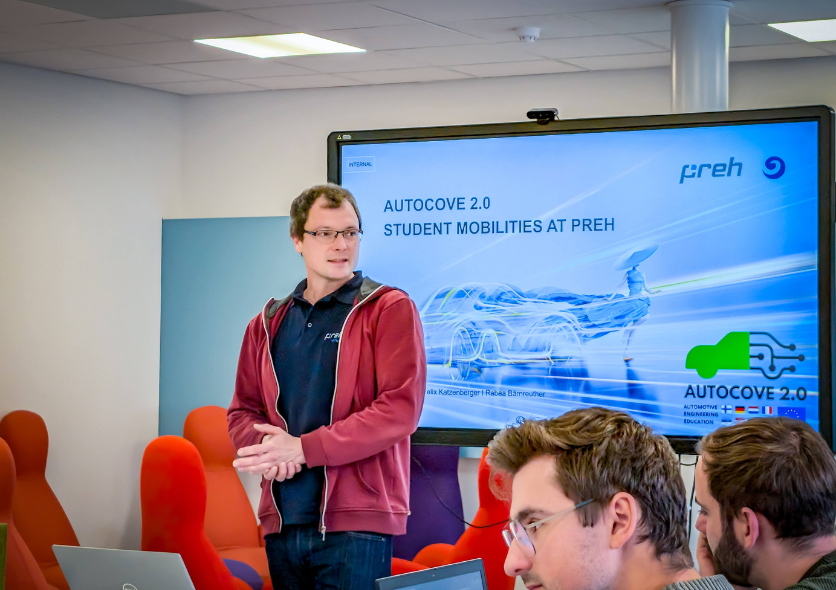
Preh GmbH presented their role in hosting student mobilities, offering a valuable industry perspective.
-
Volvo Billa provided a session on the Volvo EX90, focusing on battery thermal management and real-world applications of electric vehicle technologies.
Research, Development, and Work Package Progress
-
LIK (LT) presented research on EV charging in Nordic climates and their contributions to Electude module development.
-
WP4 leaders provided a comprehensive project update, followed by a video contribution from Olga.
The 4th Collaborative Development Workshop demonstrated the power of cross-border collaboration in delivering high-quality vocational education for Europe’s green transition. Through hands-on learning, shared expertise, and deepened partnerships, the consortium continues to move closer to its goal: equipping tomorrow’s professionals with the skills needed for a sustainable, clean-tech mobility sector.
The next phases of Auto-CoVE 2.0 promise continued innovation and even stronger ties between educational institutions, industry partners, and research organisations across Europe.
Funded by the European Union. Views and opinions expressed are however those of the author(s) only and do not necessarily reflect those of the European Union or the European Education and Culture Executive Agency (EACEA). Neither the European Union nor EACEA can be held responsible for them.
Prepared by:
Auto Cove 2.0
Ventspils tehnikums
📸 Margus Ainsalu
📹 Ismail Mirzojev