



AUTO COVE 2.0 NEWSLETTER NO.3
Internships & training
Over the past six months, numerous student and staff mobility initiatives have been carried out, beginning with internships at educational institutions and automotive industry companies, and extending to teacher and staff workshops at both international and national levels.

2nd Collaborative Development Workshop in Estonia
From November 19-21, 2024, Tartu, Estonia, hosted the second Collaborative Development Workshop for the Erasmus+ AutoCoVE 2.0 project, focusing on clean-tech vehicle education. Partners from eight countries gathered to support Europe’s green transition.
The workshop included sessions on pedagogy, autonomous driving, battery design, and customer needs analysis. Experts presented on battery recycling, hybrid battery replacements, and progress tracking. Practical lessons on hybrid vehicle safety and high-voltage battery fire safety were followed by a hands-on workshop with Toyota RAV4 vehicles. The event emphasized the role of vocational excellence in advancing sustainable automotive education in Europe.
Learning Beyond Borders: Auto CoVE 2.0 in Finland and Turkiye
The AutoCoVE 2.0 project continues to pave the way for the green transition in the automotive sector, offering exceptional international learning opportunities for students and teachers alike.
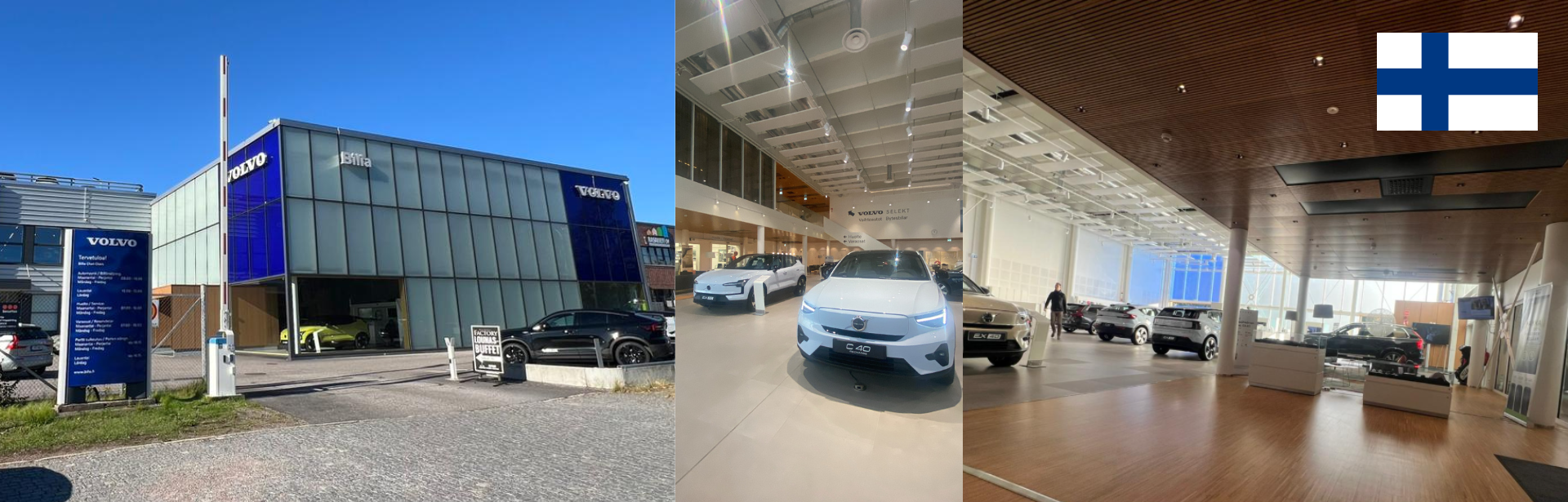
In Finland, the program showcased its versatility through diverse learning experiences. Bastien and Noah, two first-year BTS MVA learners from SEPR, completed a 1-month internship at Bilia Oy, a Volvo dealership. This experience allowed them to deepen their expertise in the maintenance of plug-in hybrid and all-electric vehicles while also enhancing their English skills. Omnia teacher Anna Nuuja also participated in the program, undertaking a week-long internship at Bilia Olari to immerse herself in automotive sales and parts operations.

Anna focused on gaining insights into the electric vehicle market, alternative powertrains, and driver assistance technologies. Her hands-on experiences included shadowing sales interactions, test-driving the fully electric Volvo EC40, and observing the delivery process of a Volvo EX30. Anna also explored the evolving role of parts operations, where traditional tasks are increasingly replaced by managing vehicle software updates and repair management systems. These insights will contribute directly to her development of new educational modules for AutoCoVE 2.0, further strengthening the collaboration between industry and education.
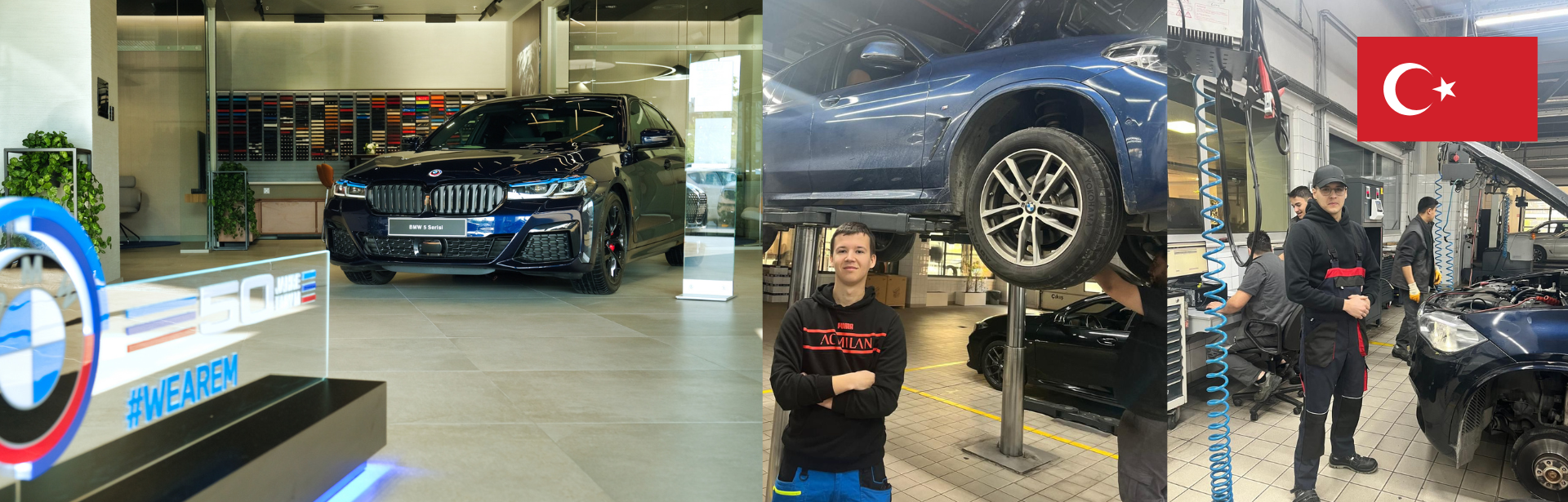
In Turkiye, three talented car mechanic students participated in a 4-week Erasmus+ mobility program hosted by İzmit MTAL. During their stay, they trained at an official BMW dealership, gaining hands-on experience in automotive repair and maintenance while expanding their knowledge of hybrid and electric vehicles. This collaboration provided invaluable international exposure and highlighted emerging trends in the field, equipping the students with cutting-edge skills and a fresh perspective on innovation.
These enriching experiences underline AutoCoVE 2.0’s commitment to fostering global collaboration, equipping learners with the knowledge and skills needed for a greener and more sustainable future in the automotive industry. A heartfelt thank you to all the hosting organizations and partners for making these journeys possible! 🚗🌍
National level events in Latvia and Finland

In Finland, 31 vehicle-sector teachers from eight vocational colleges gathered at Omnia to explore the project’s study modules on ADAS, battery systems, hybrid safety, and hydrogen technology. Omnia’s team, including teacher Anna Nuuja, showcased content on vehicle sales and spare parts, while other educators presented modules in math and physics. Collaborations with the Trireme project and the ETN4VET network were also discussed, positioning these institutions as potential pilots for future modules. Participants were eager to integrate these cutting-edge resources into their teaching.

In Latvia, 9 vehicle-sector teachers from eight vocational colleges attended a two-day seminar at Ventspils Technical School on hybrid and electric vehicle technologies. Combining expert-led lectures and hands-on training, the event featured the use of the school’s advanced “Electric and Hybrid Car Training Stand.” International specialists guided participants, equipping them with the skills and knowledge to integrate cutting-edge innovations into their teaching.
Modernization and new technologies
SEPR purchases a Hybrid Vehicle with ADAS accessories
The Auto-CoVE 2.0 project is enhancing automotive education by providing hands-on experience with advanced hybrid and electric vehicle technologies. SEPR has expanded its fleet with an Opel Grandland Hybrid4 AWD, equipped with Advanced Driver Assistance Systems (ADAS), to test and demonstrate training modules focused on hybrid vehicles and ADAS, offering valuable real-world learning opportunities for both students and teachers.

Learning experience at THWS
In Bad Neustadt, TTZ-EMO, in collaboration with Preh GmbH, IMTAL, and other partners, is offering a “Battery Learning Experience Journey.”
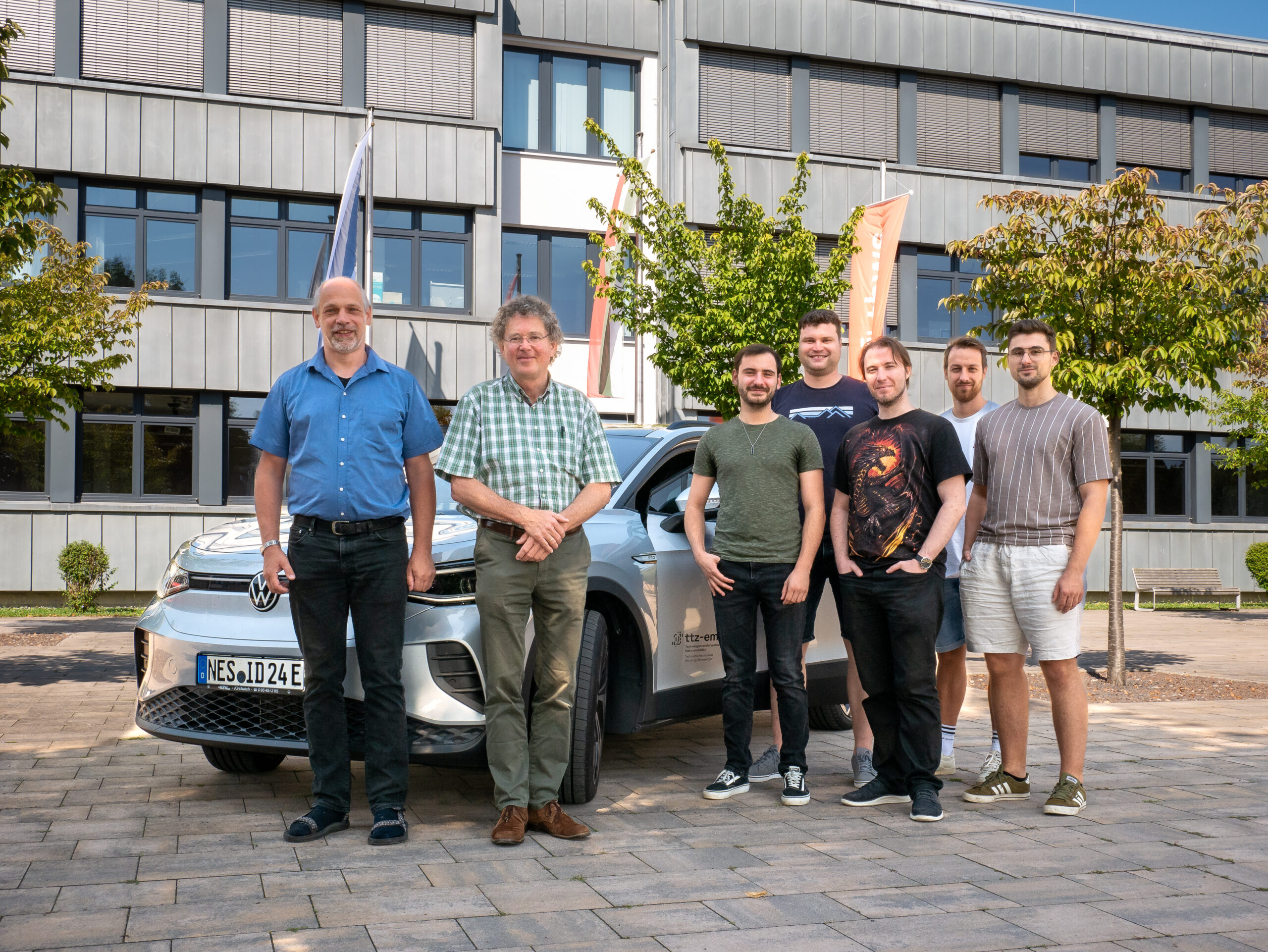 From left to right, Institute Director: Prof. Dr Henning Kasten, Prof. Dr Ansgar Ackva. Development Team: Sebastian Gielinger, Pavlo Ponomarov, Sebastian Breitfelder, Dr Andreas Ziegler, Dr Thiemo Hein
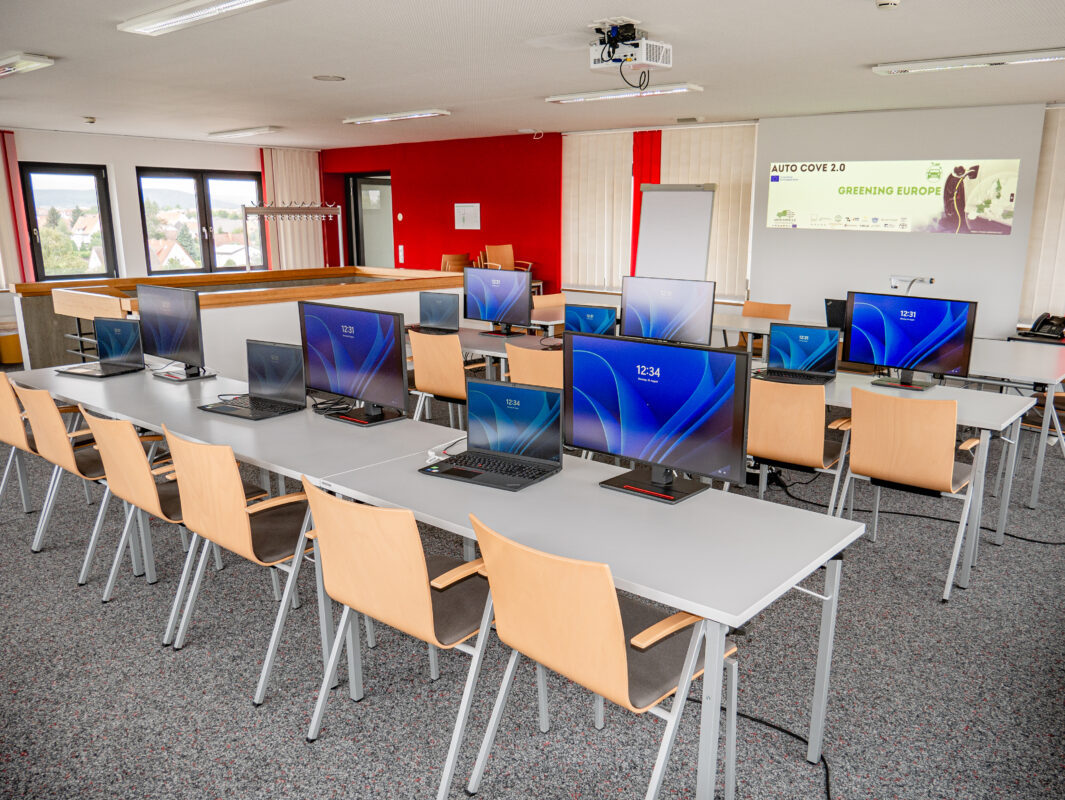
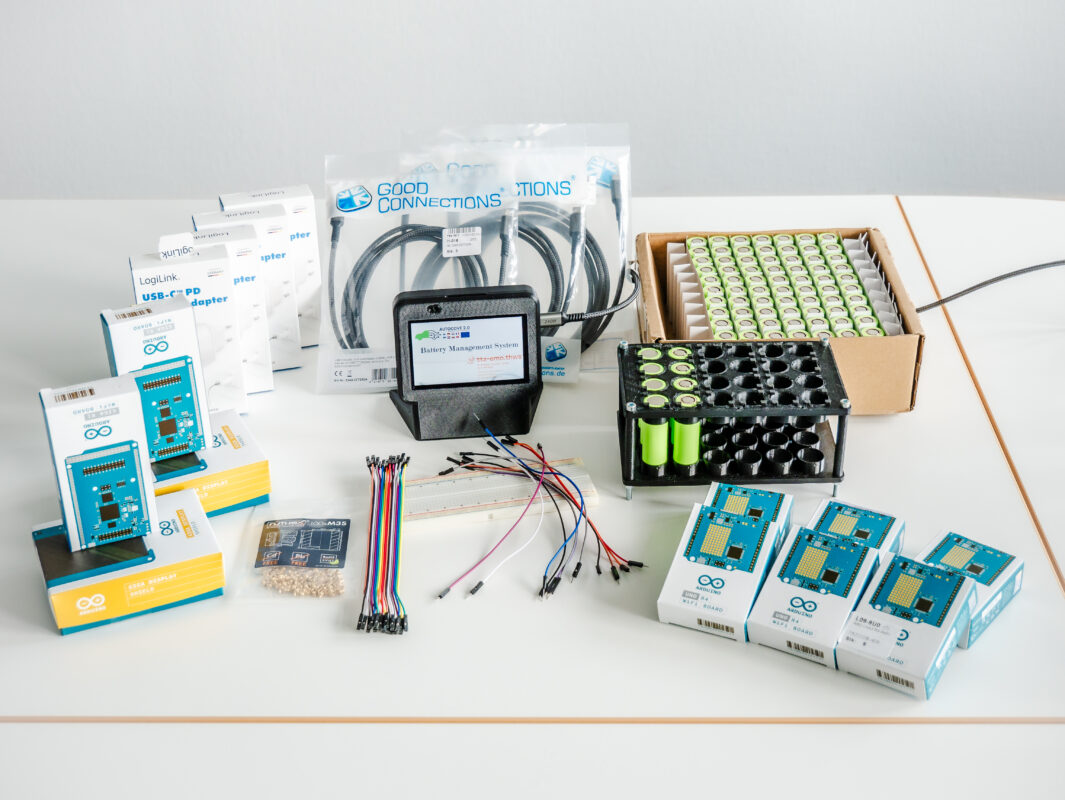

This program guides students through the entire e-mobility process, from battery production to recycling, with practical training in battery module construction, 3D printing, and battery management systems. Virtual training ensures accessibility, bridging equipment gaps and advancing e-mobility education.
Transnational meetings
Advancing Collaboration: Transnational Meeting in Kaunas, Lithuania
The third Steering Committee meeting of the Auto-CoVE 2.0 initiative, part of the Erasmus+ Program’s Centers of Vocational Excellence (CoVE), took place on September 25-26, 2024, in Kaunas, Lithuania. Hosted by Kaunas Education Center of Technologies (Kautech), the event gathered European leaders in clean-tech vehicle education to discuss the project’s progress and future goals.

Hosted by Kaunas Education Center of Technologies (Kautech), the meeting opened with a warm welcome from Principal Paulius Čepas and a tour showcasing Kautech’s state-of-the-art facilities and educational offerings. Discussions centered on key work packages, featuring updates on hybrid, hydrogen, and battery technologies presented by experts like Ismail Mirzojev, Antti Järvenpää, and Andreas Ziegler. Jeroen Smetsers of Electude International introduced the classification of educational modules through digital tools, offering valuable insights to advance clean-tech learning initiatives.
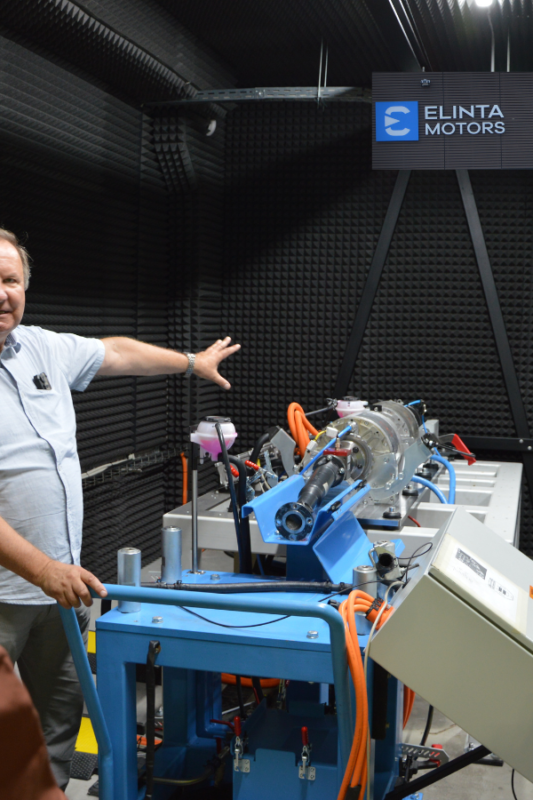
A visit to Elinta showcased the company’s journey in EV and robotics innovation, while founder Vytautas Jokužis shared insights into its role in advancing green technologies. At Kaunas University of Applied Engineering Sciences (KTK), attendees explored technical facilities, including an automotive garage and a racing team hub. The day concluded with a visit to AutoEDU, which develops training equipment using real car parts, and the Classic Car Loft museum and repair center, featuring rare car collections and restoration techniques.
These discussions clarified next steps for the Auto-CoVE 2.0 project, emphasizing refined educational content, enhanced student mobility, and strengthened ties between vocational and higher education institutions. By aligning with European green policies, Auto-CoVE 2.0 remains a driving force in equipping future automotive professionals to lead in clean-tech.
Forum on Vocational Excellence 2024
The Forum on Vocational Excellence (CoVE Forum) is an annual event for CoVE project leaders to share experiences and best practices. In 2024, it was held at EuroExpo Lyon, France, alongside WorldSkills. The Auto CoVE 2.0 Team proudly participated in the 3rd Forum on Vocational Excellence held in Lyon, France, from 10 to 12 September 2024. Their presence underscored their commitment to advancing VET initiatives and fostering collaboration in the evolving landscape of vocational excellence. The team showcased the Auto CoVE 2.0 project, including skill-gap research, study modules, the Electude platform, and a new hybrid vehicle for training.
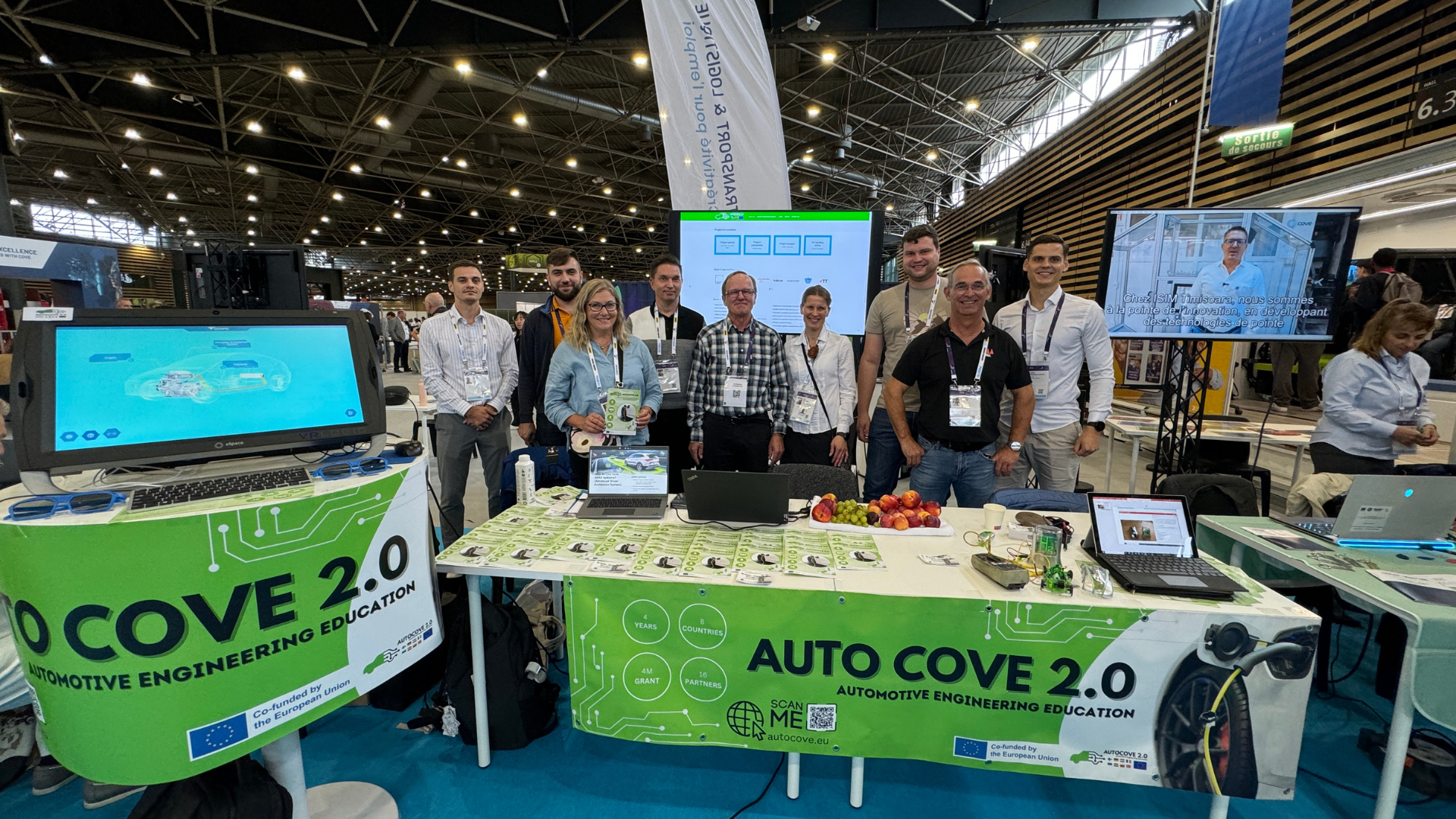
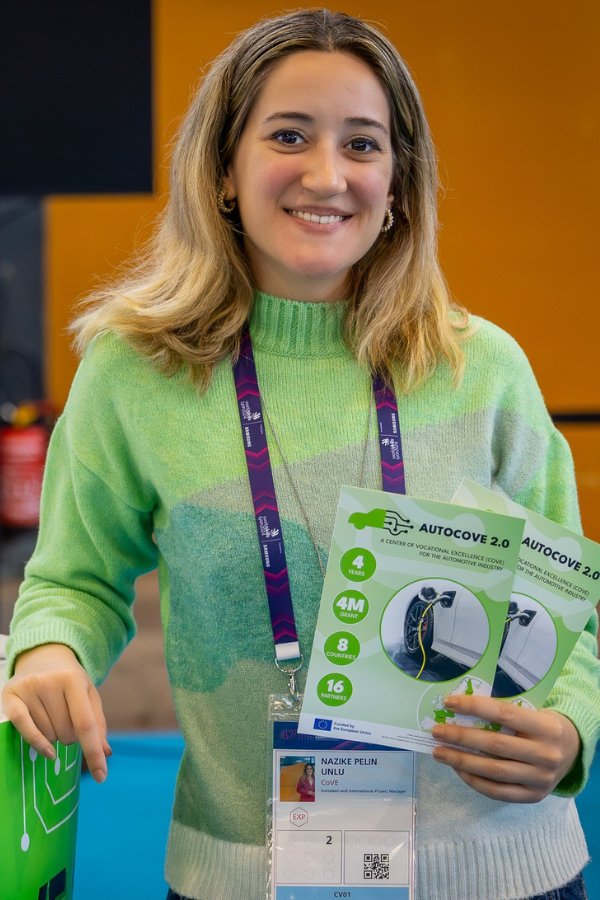
In a world of ultra-rapid change, robust vocational education and training are essential for building a sustainable future. Whether the challenge is greening our economy, implementing digital solutions in society, keeping up with AI, or ensuring just and inclusive transitions in our communities, vocational education and training (VET) lies at the very core. Without properly skilled people, the change we need would simply be impossible. Thankfully, across Europe, educators, national and regional governments, and companies have come together to collaborate in their ecosystems, forming networks that shape the future of skills in Centres of Vocational Excellence.
Auto CoVE 2.0 will join the next CoVE Forum in Kolding, Denmark, on 8–11 September 2025. Learn more at https://www.copcoves.eu/forum-2025/.
Funded by the European Union. Views and opinions expressed are however those of the author(s) only and do not necessarily reflect those of the European Union or the European Education and Culture Executive Agency (EACEA). Neither the European Union nor EACEA can be held responsible for them.
Prepared by:
Auto Cove 2.0
Project team