




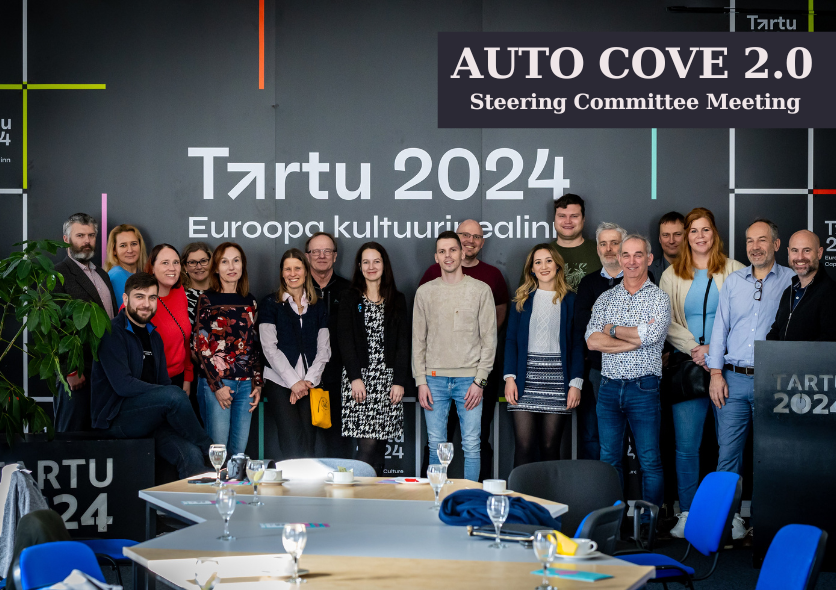
In the vibrant city of Tartu, Estonia, the Transnational meeting convened on March 26th and 27th at the Tartu Vocational College (VOCO). This gathering marked another milestone for the consortium as it embarked on a journey of collaboration and strategic planning to advance to the next objectives of the project.
The first day commenced with participants gathering at VOCO, where they were welcomed with registration and invigorating coffee, setting a convivial tone for the proceedings ahead. Mr. Raini Jõks, VOCO principal, in his opening address, extended a warm welcome to all attendees, emphasizing the importance of the collaborative effort in achieving the project’s goals.
The meeting began with an introduction and a tour of the Kopli Campus, providing attendees with insights into the facilities and resources available. Discussions ensued regarding Work Package 1 (WP1), with an overview of obligations and discussions on changes within the consortium. It was evident that further planning between THWS, the potential new partner, Kautech, and KTK was necessary to ensure seamless collaboration and alignment of objectives.
Amidst the busy agenda, participants took a moment to enjoy a coffee break, fostering informal networking and exchange of insights. Subsequent sessions delved into various work packages, including the introduction of the Skills Gap Analysis Report (WP2), an overview of the overall situation and next steps (WP3), and a presentation by Aida Gruzinskiene on WP4.
A parallel session focusing on the development of Electude brought together the project development teams, highlighting the practical aspects of the project. Discussions also revolved around preparing for second-year mobilities (WP5), addressing quality issues and presenting the first Quality Report (WP6).
An intriguing suggestion emerged during the meeting—a proposal for an Electric Vehicle course in Lithuania, aimed at enhancing the project’s development teams’ skills and knowledge. This proposal underscored the innovative and forward-thinking nature of the consortium’s endeavors.
Also during the Tartu meeting, Ieva Krumina from Ventspils tehnikums introduced partners with the updates in WP7. A Social Media Planner was emphasized as a tool for project visibility through scheduled content across platforms. Additionally, Dissemination Grid Stickers on Auto Cove 2.0 vehicles were discussed as they will serve as mobile billboards, sparking interest and dialogue. These strategies demonstrate the consortium’s commitment to dynamic dissemination, enhancing awareness and collaboration.
The day concluded with an official dinner at the esteemed “Püssirohukelder” restaurant, providing participants with an opportunity to unwind and engage in informal discussions in a relaxed setting.


The second day commenced with a gathering and coffee session, allowing participants to rejuvenate before diving into the day’s agenda. A question and answer session on different work packages and obligations provided clarity and addressed any lingering concerns.
A tour of Tartu City, including visits to the University of Tartu and various cultural sites, offered participants a glimpse into the rich heritage and academic prowess of the city. Lunch at the renowned Restaurant ‘Kampus’ provided an opportunity for further networking and camaraderie among attendees.
The day continued with a tour of Maaülikooli and a visit to Toyota Amserv Tähe, offering insights into industry practices and fostering potential collaborations. Greetings from Timo Marjamägi added a personal touch to the proceedings, emphasizing the significance of partnerships in driving innovation and progress.
The visit to Engineers Academy VOCO capped off the day, providing a firsthand look at the institution’s efforts in vocational education and training. The interactive session further strengthened ties between the consortium members and highlighted opportunities for future collaboration.
In conclusion, the Project Steering Committee meeting served as a platform for robust discussions, strategic planning, and networking opportunities. As participants departed with renewed enthusiasm and a clearer roadmap, it was evident that the collective efforts of the consortium would propel the project towards its envisioned success, making meaningful contributions to vocational education and training.
Funded by the European Union. Views and opinions expressed are however those of the author(s) only and do not necessarily reflect those of the European Union or EACEA. Neither the European Union nor the granting authority can be held responsible for them.
Prepared by:
Auto Cove 2.0