



From October 21st to October 24th, team from THWS — Sebastian Breitfelder, Sebastian Gielinger, and Andreas Ziegler — conducted two intensive electric vehicle battery workshops in Finland as part of the piloting phase of innovative study modules developed within the Auto Cove 2.0 project. These pilot workshops aimed to test, validate, and refine new educational content designed to support future-oriented skills in electric mobility and battery technologies. More information about the innovative study modules is available at: https://www.autocove.eu/study-courses/.
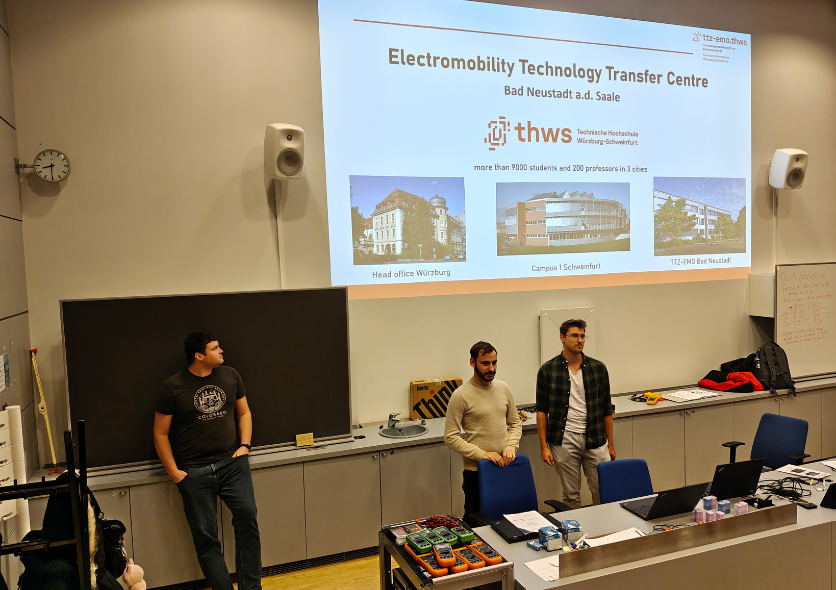
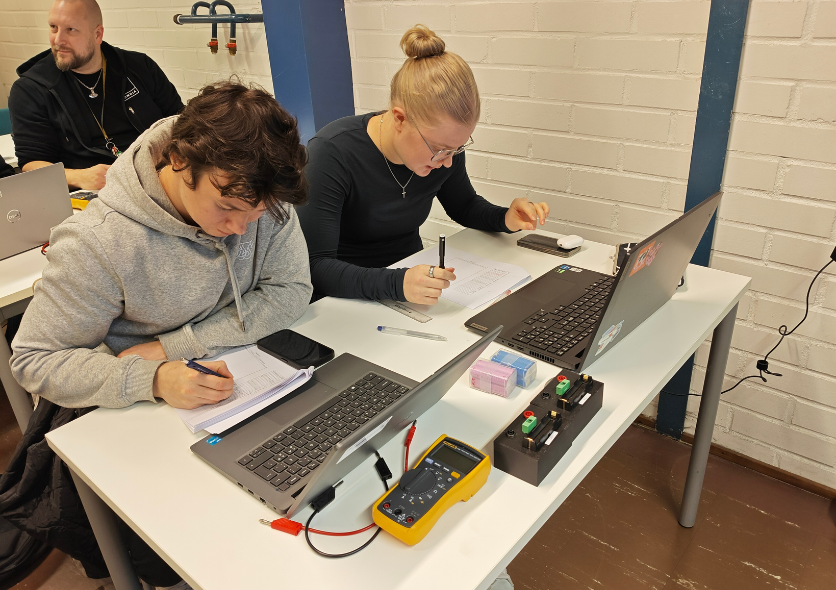
The first two-day workshop was held at Omnia and involved mechanic students together with their teachers. The second workshop took place at Metropolia University of Applied Sciences, a technical polytechnic and associate partner of Auto Cove 2.0, and was targeted at vehicle engineering students. Each workshop had a total duration of 15 hours and was tailored to the educational level and background of the participants.
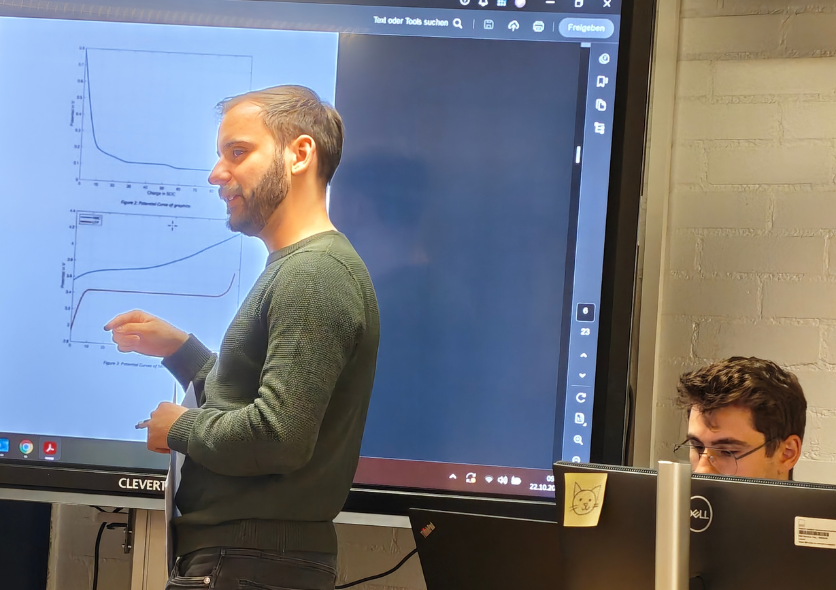
During the workshops, students received an introduction to battery chemistry and battery aging, laying the theoretical foundation for further learning. They then worked on practical exercises prepared by the German Auto Cove 2.0 team and implemented on the Electude digital learning platform. These exercises were specifically designed as part of the piloted study modules to support interactive and applied learning.
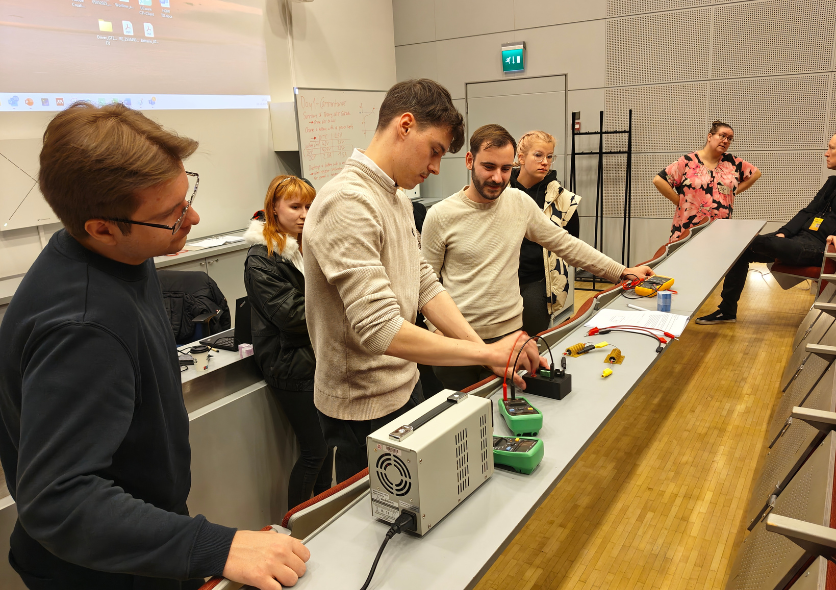
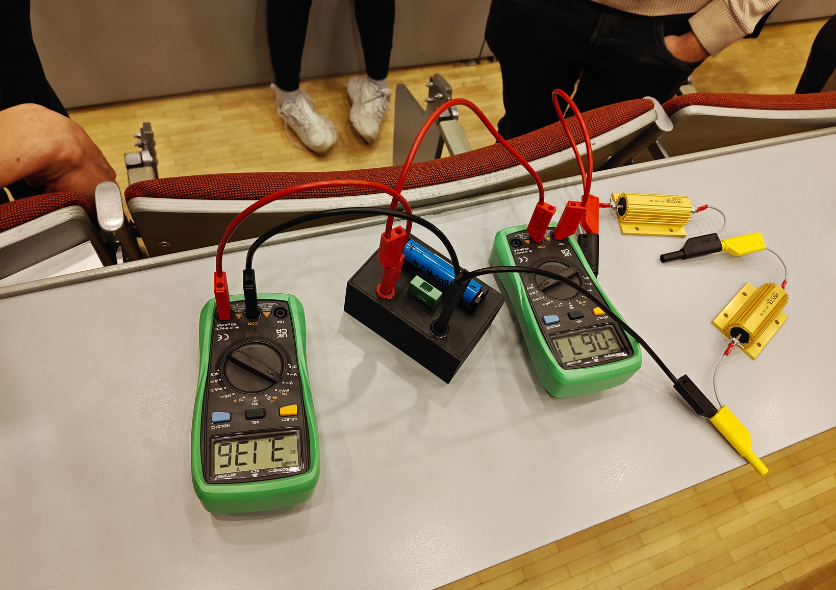
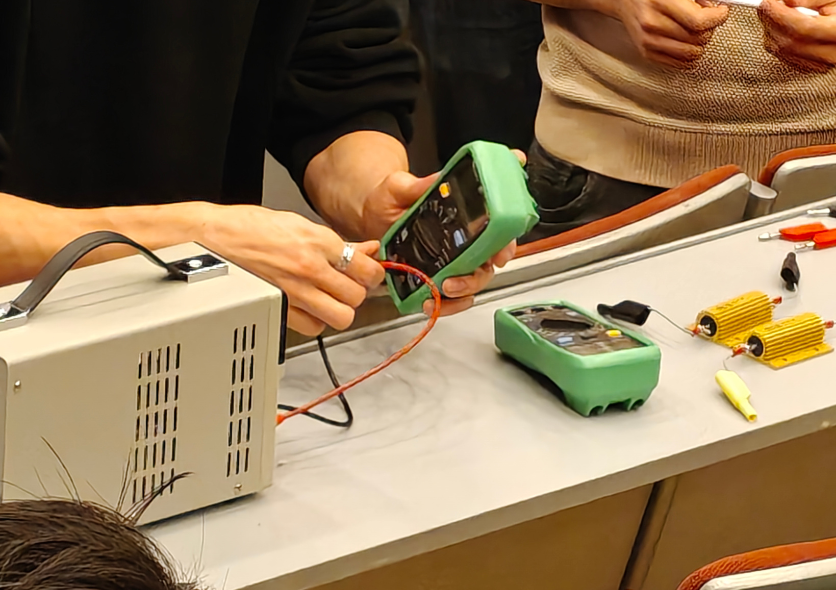
Following the digital exercises, the THWS experts demonstrated professional battery testing procedures and guided students through hands-on testing of different battery features. This practical component allowed participants to directly apply newly acquired knowledge and gain real-world experience with electric vehicle battery systems.
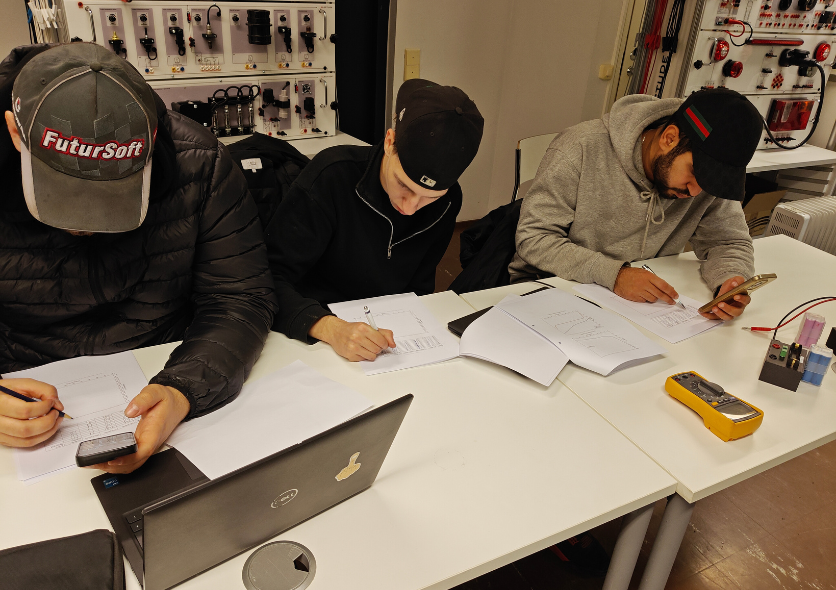
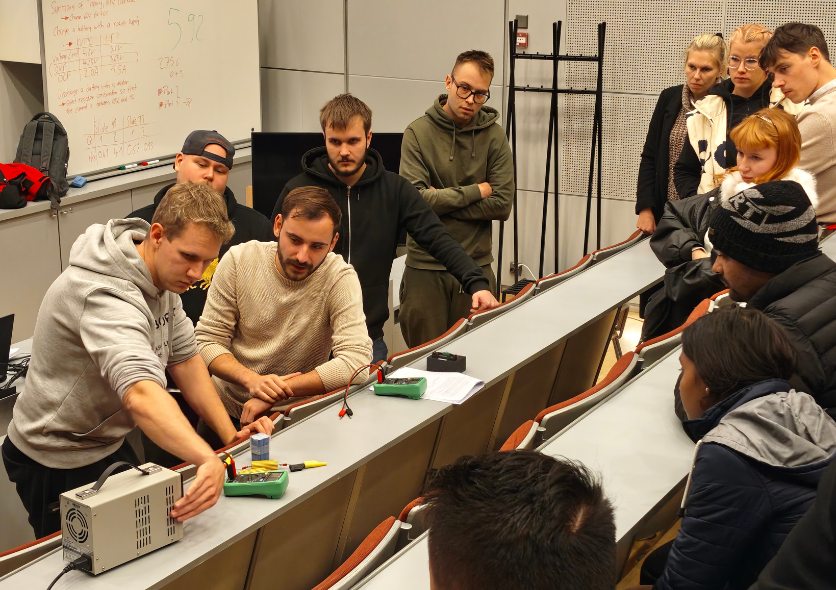
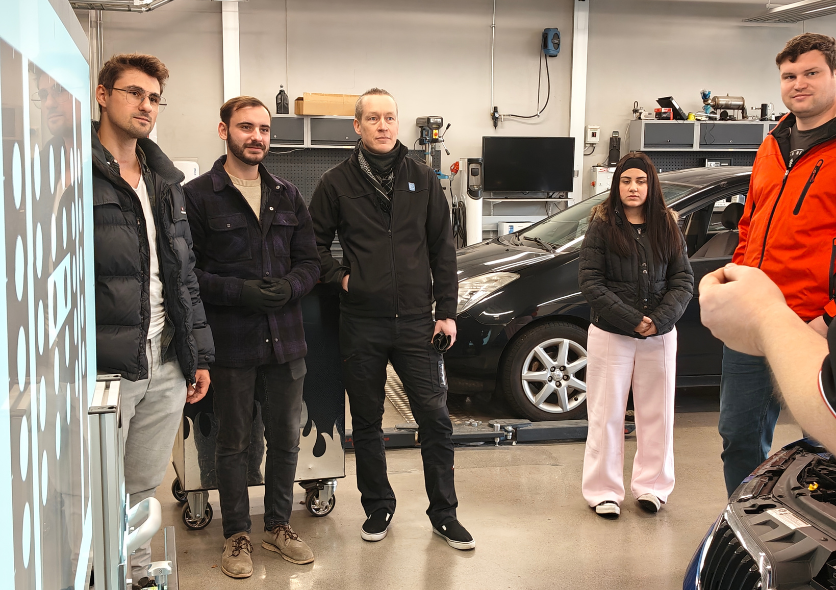

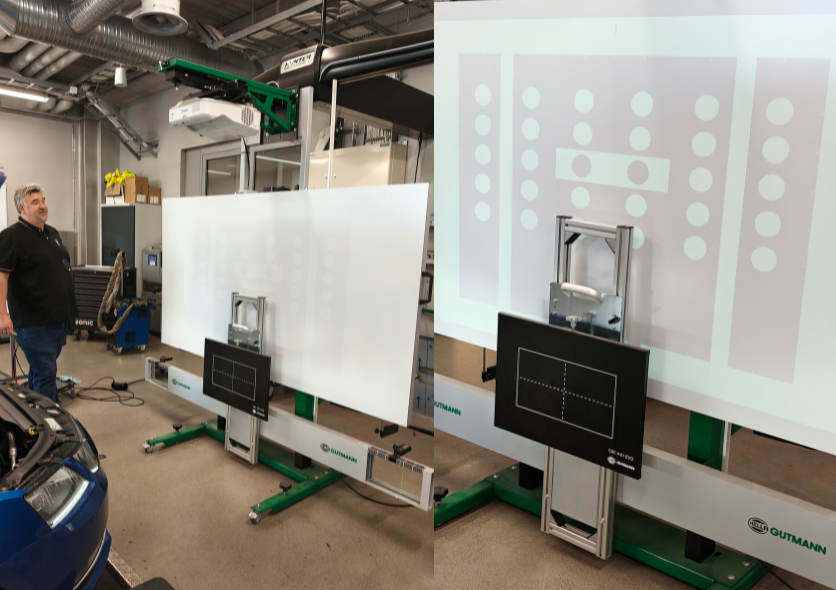
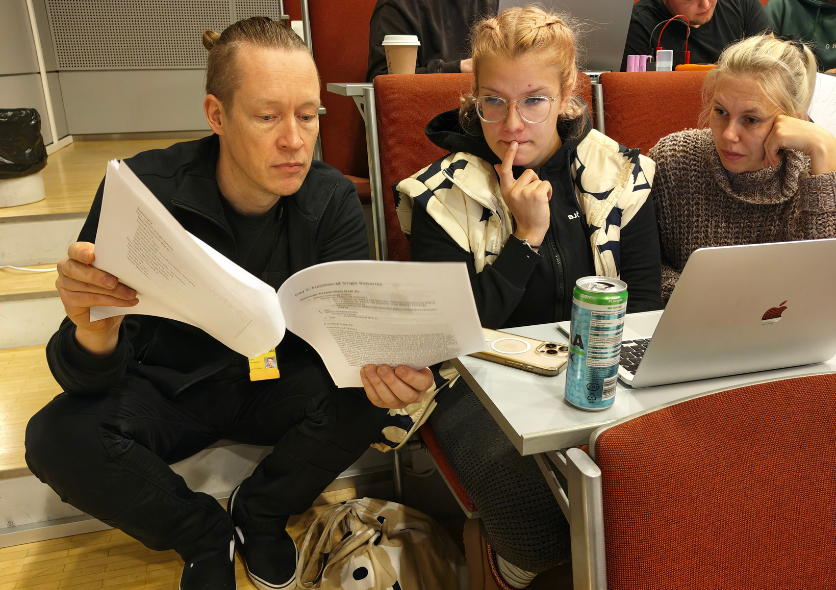
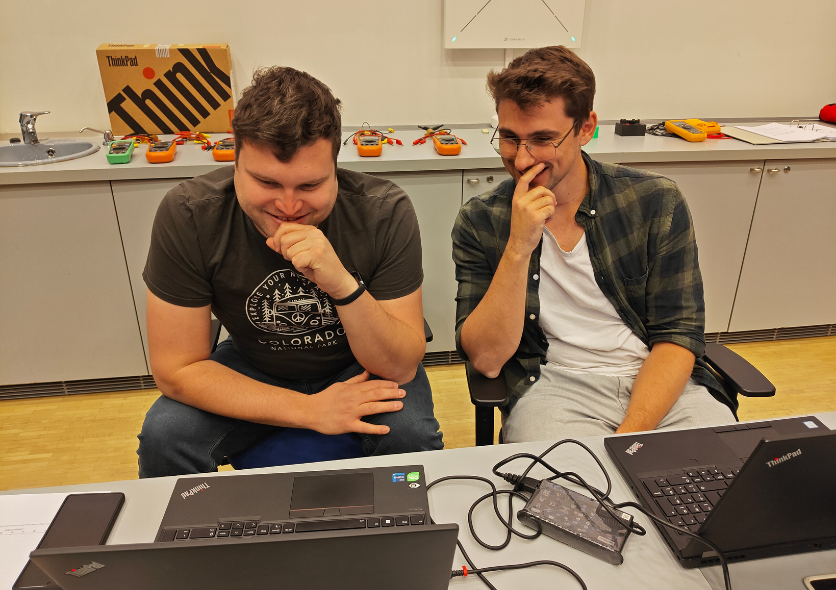

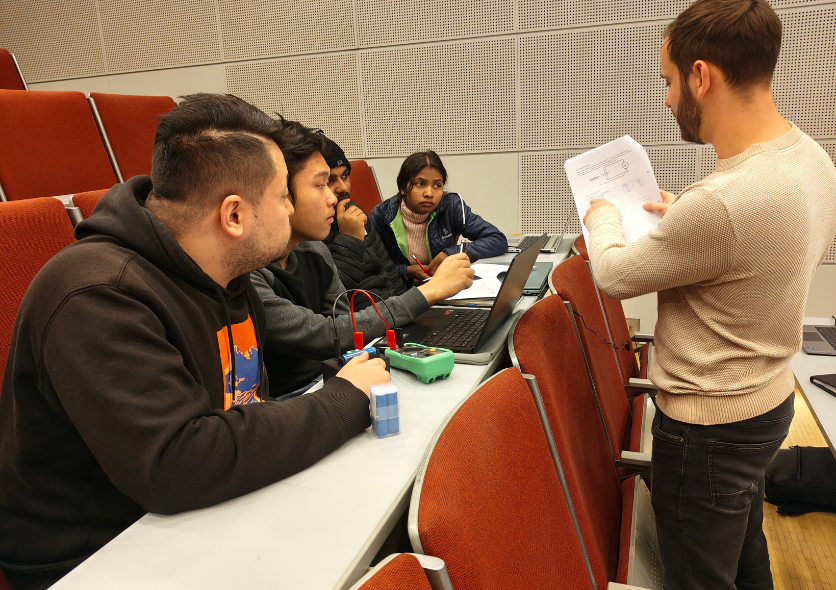
To support comprehension of complex technical topics, the Electude platform content was delivered in English, while additional paper-based study materials were translated into Finnish for both student groups. This approach proved especially effective in facilitating understanding during the piloting phase of the modules.
Feedback from teachers at both Omnia and Metropolia was highly positive. Altogether, 21 students and 9 teachers participated in testing the piloted materials. Educators from both institutions expressed strong interest in continued use of the content, emphasizing its relevance and quality. The shared message from teachers at both levels was clear:
“Please let us use this material soon. We will utilize it for sure as soon as it is available.”
Overall, the workshops successfully contributed to the piloting of innovative study modules by combining digital learning, expert-led instruction, and hands-on experimentation. The positive engagement and feedback confirm the strong potential of these modules to support future education and training in electric vehicle battery technologies and sustainable mobility.
Funded by the European Union. Views and opinions expressed are however those of the author(s) only and do not necessarily reflect those of the European Union or the European Education and Culture Executive Agency (EACEA). Neither the European Union nor EACEA can be held responsible for them.
Prepared by:
Auto Cove 2.0
🎥 Omnia