




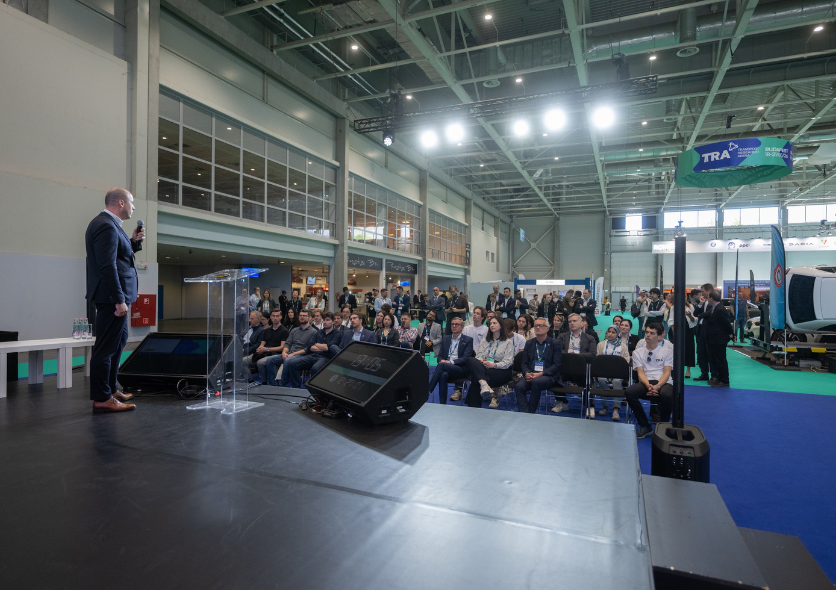
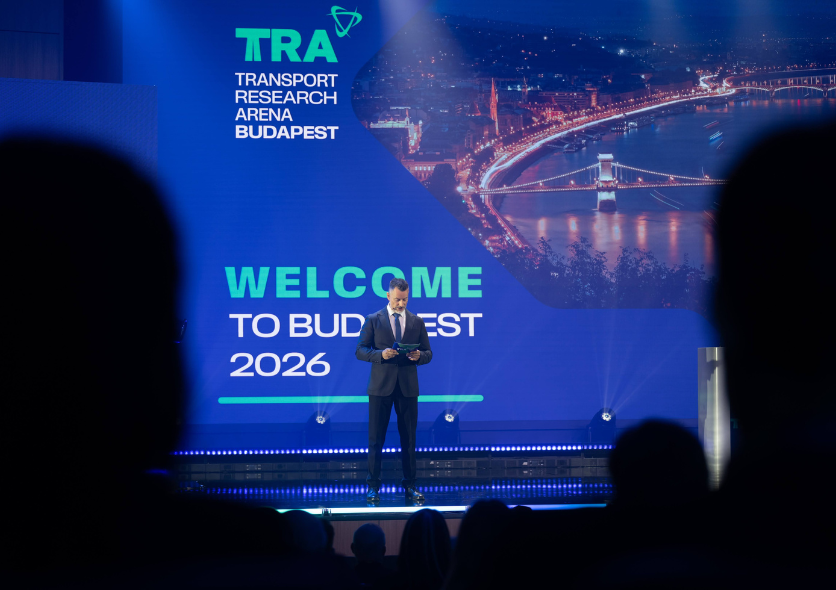
The Auto Cove 2.0 project was proudly represented at the Transport Research Arena (TRA) 2026 conference in Budapest, Hungary, one of Europe’s leading events dedicated to transport, mobility, and innovation. Bringing together researchers, industry experts, policymakers, and educators from across Europe and beyond, the conference provided an important platform for discussing the future of sustainable transport and the skills required to support it.
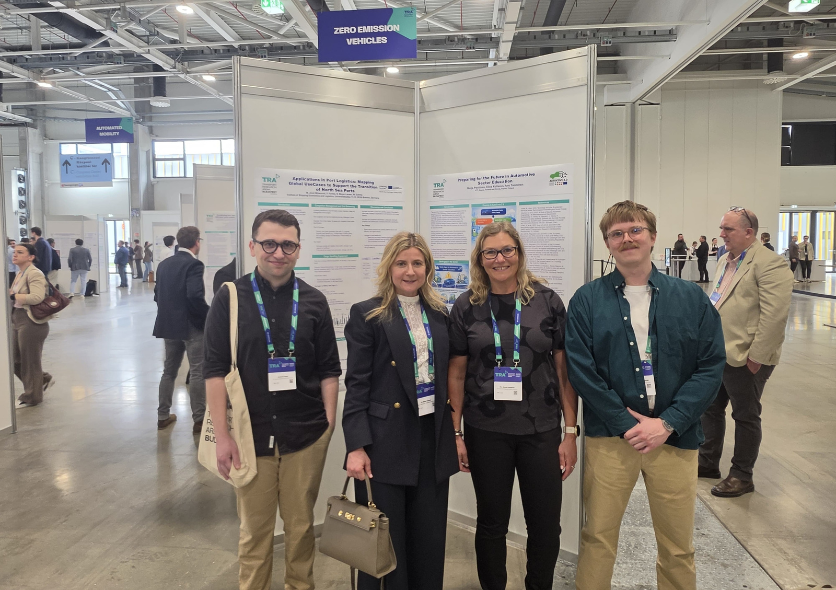
As part of the conference programme, Merja Penttinen from VTT Technical Research Centre of Finland presented the research paper “Preparing for the Future in Automotive Sector Education” (read the research here), developed in collaboration with Elina Kollanus (Omnia, Finland) and Anu Tuominen (VTT). The presentation showcased research carried out within the Auto Cove 2.0 project and highlighted the growing importance of adapting vocational education and training to the rapidly changing automotive sector.
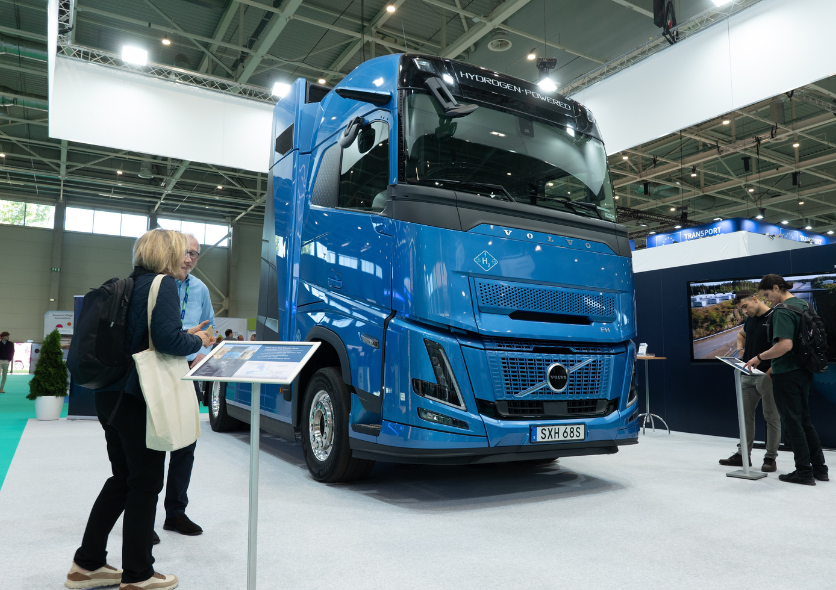
The automotive industry is currently experiencing one of the most significant transformations in its history. The transition towards electric and hybrid vehicles, the emergence of hydrogen technologies, the increasing use of Advanced Driver Assistance Systems (ADAS), and the gradual introduction of automated driving solutions are reshaping the knowledge and competencies required from automotive professionals. These developments are creating new demands not only for technicians and maintenance personnel, but also for educators responsible for preparing the future workforce.
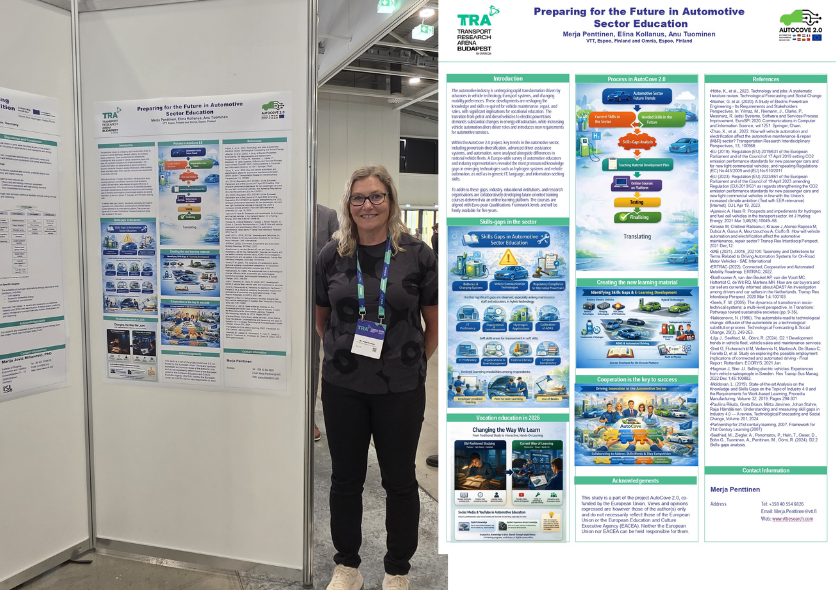
View the poster full screen
The research presented at TRA 2026 focused on identifying current and future skills gaps within the automotive sector. Through a large-scale survey involving automotive educators and industry representatives from Finland, Estonia, Latvia, Lithuania, Germany, France, and the Netherlands, the project gathered valuable insights into the competencies most needed for the years ahead.
The findings revealed significant skills gaps in areas such as battery and charging technologies, vehicle communication systems, hydrogen technologies, regulatory requirements for alternative powertrains, hybrid vehicle systems, and ADAS calibration. In addition to technical expertise, respondents highlighted the increasing importance of transversal competencies including digital skills, information management, language proficiency, and organisational capabilities.
These findings have played a central role in guiding the development of educational materials within AutoCove 2.0. Project partners are collaboratively creating innovative learning resources and online courses covering battery electric vehicles, charging technologies, battery safety and recycling, hybrid systems, hydrogen fundamentals, and advanced driver assistance technologies. The materials are being developed for implementation through the Electude e-learning platform and will support learners, educators, and industry professionals across Europe.
The presentation at TRA 2026 also emphasised the importance of cooperation between vocational education providers, research organisations, and industry stakeholders. By combining expertise from different sectors and countries, AutoCove 2.0 is helping to ensure that vocational education remains aligned with labour market needs and technological developments.
Participation in TRA 2026 provided an excellent opportunity to disseminate project results to an international audience, exchange experiences with experts from across Europe, and contribute to the wider discussion on the future of automotive education and workforce development.
As the automotive sector continues its transition towards greener, smarter, and more connected mobility solutions, initiatives such as AutoCove 2.0 play a vital role in equipping current and future professionals with the knowledge and skills required to thrive in this evolving landscape.
The AutoCove 2.0 consortium remains committed to supporting excellence in automotive vocational education and contributing to a sustainable and innovative future for the European automotive sector.
Funded by the European Union. Views and opinions expressed are however those of the author(s) only and do not necessarily reflect those of the European Union or the European Education and Culture Executive Agency (EACEA). Neither the European Union nor EACEA can be held responsible for them.
Prepared by:
Auto Cove 2.0