



AUTO COVE 2.0 NEWSLETTER NO.5
Piloting in Finland
THWS Battery Team from Germany conducted a series of workshops in Finland focused on electric vehicle battery technology. These hands-on sessions brought together students and educators to explore practical aspects of EV battery systems and strengthen their understanding of key technologies shaping the future of vehicle service and maintenance.
During the workshops, students received an introduction to battery chemistry and battery aging, laying the theoretical foundation for further learning. They then worked on practical exercises prepared by the German Auto Cove 2.0 team and implemented on the Electude digital learning platform. These exercises were specifically designed as part of the piloted study modules to support interactive and applied learning.
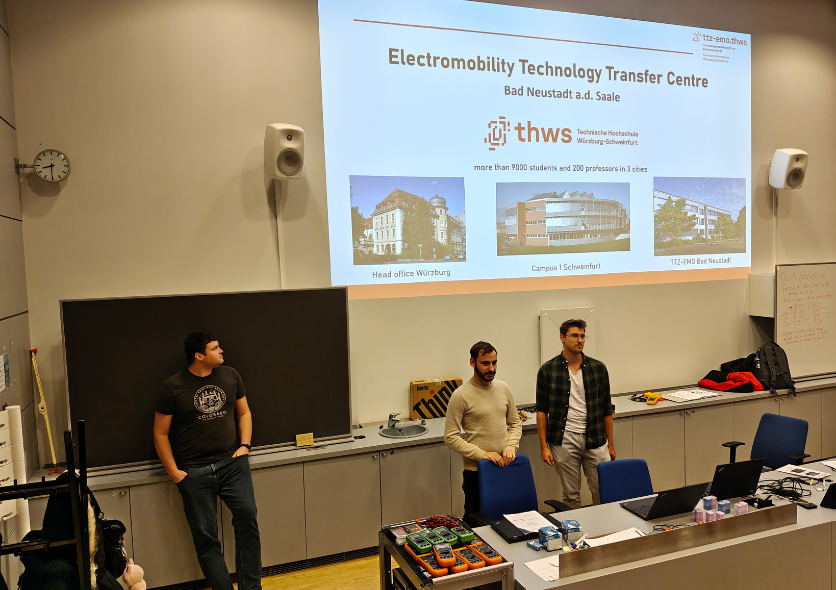
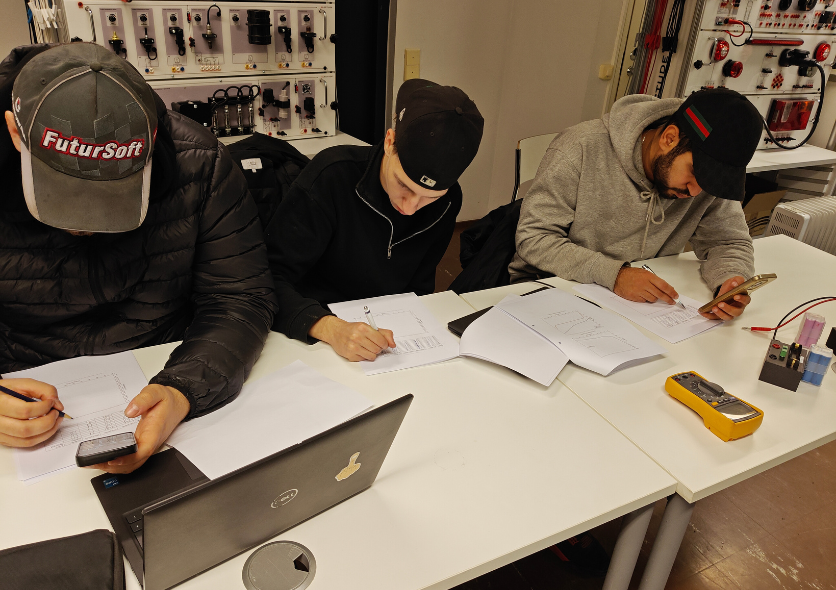
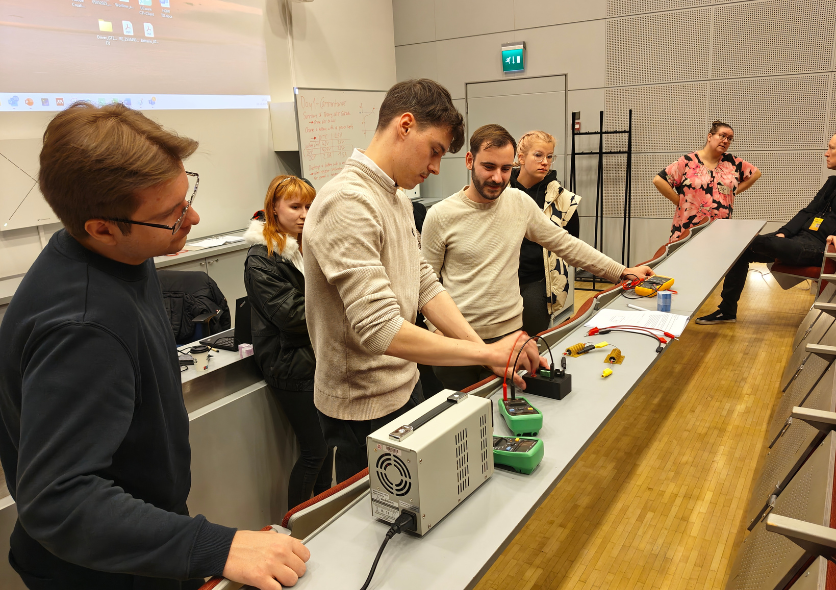
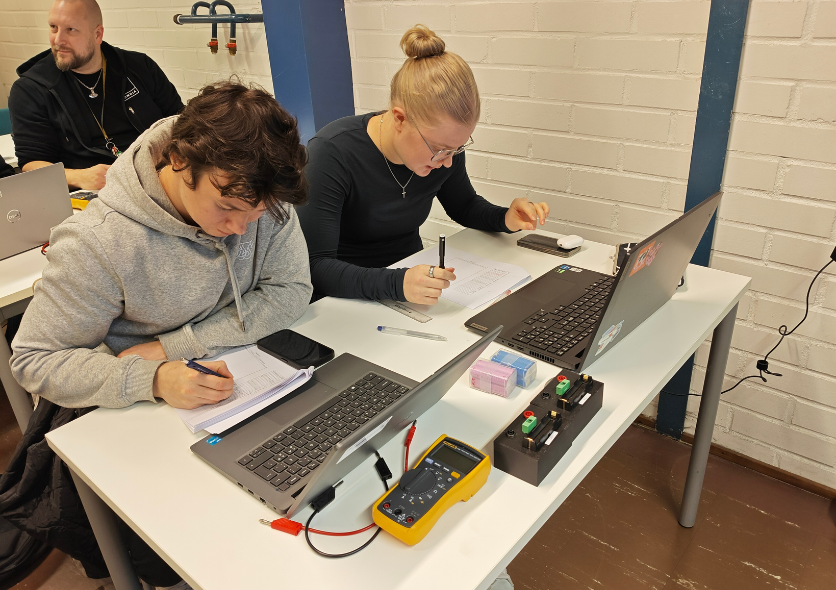
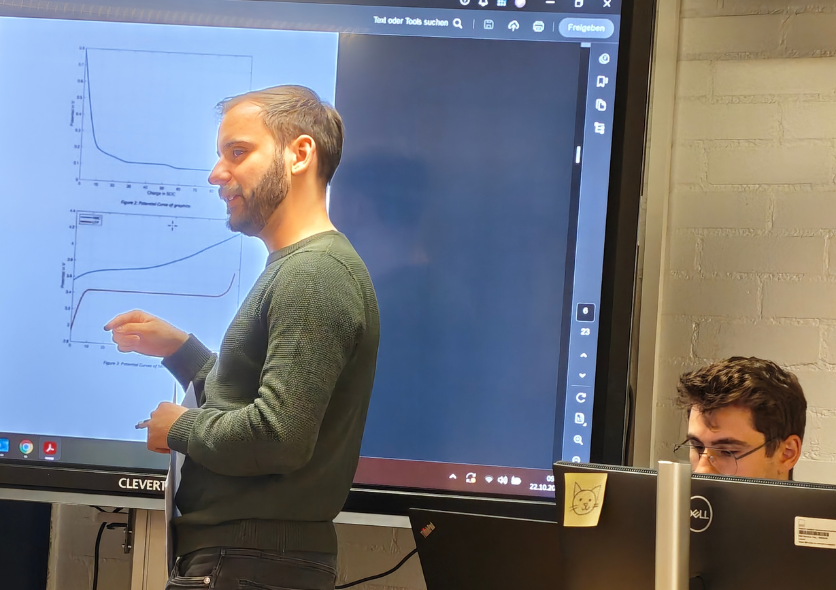
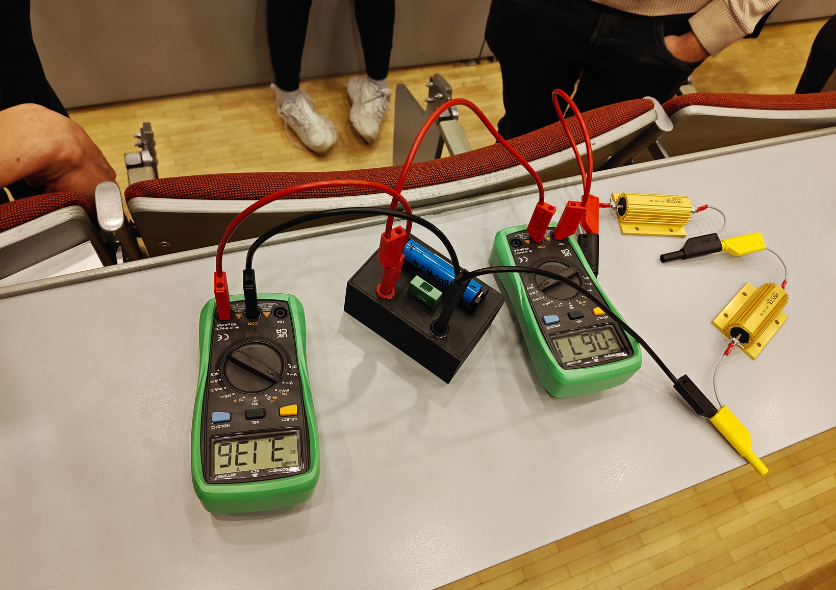
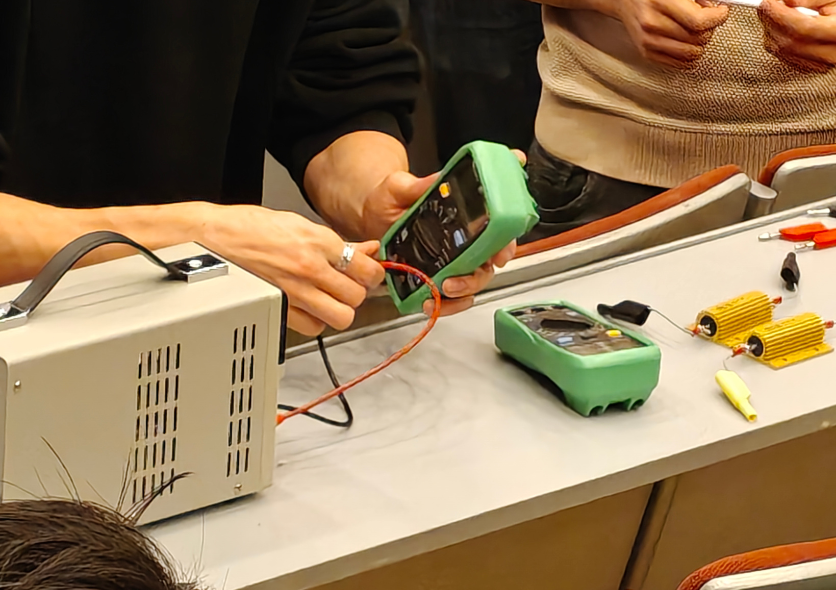
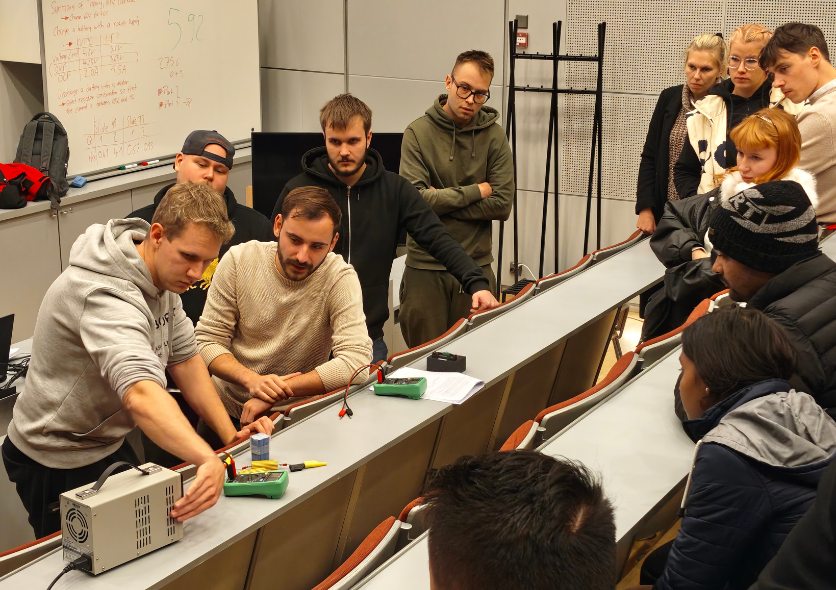
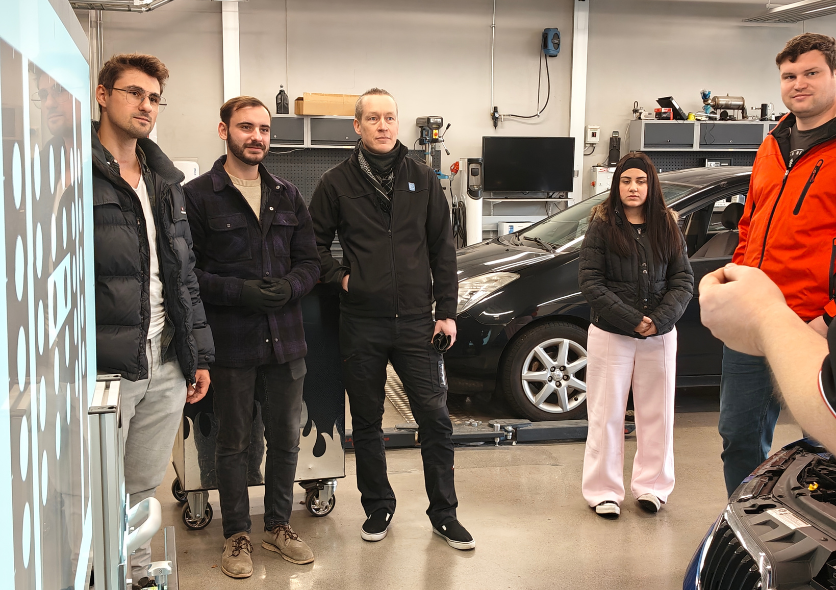

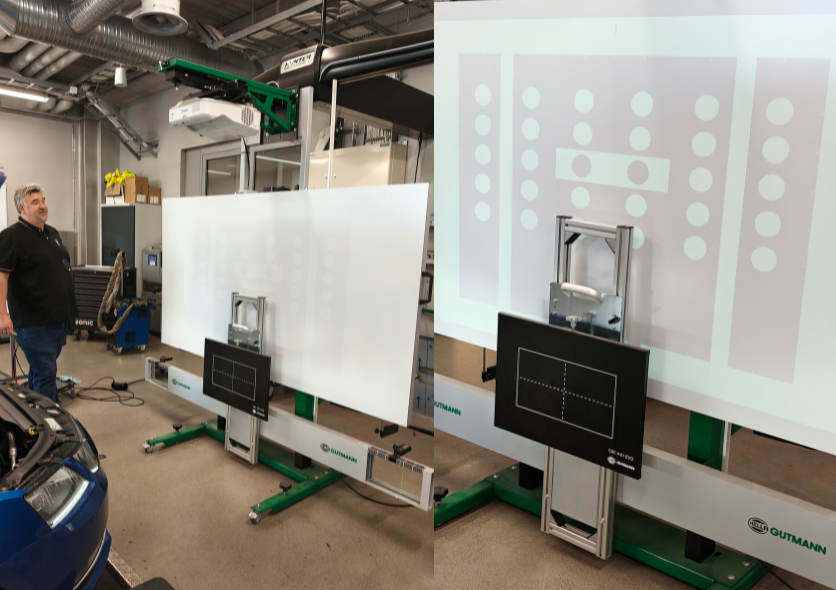
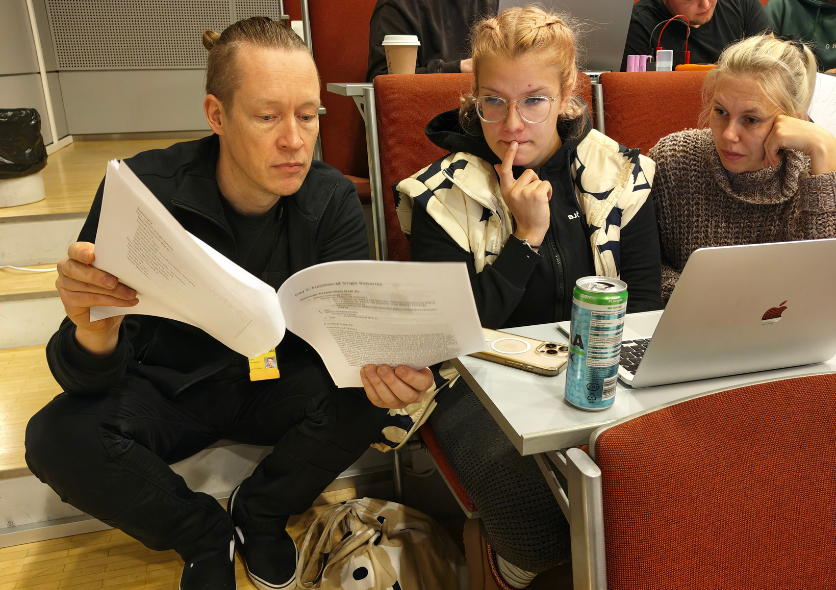
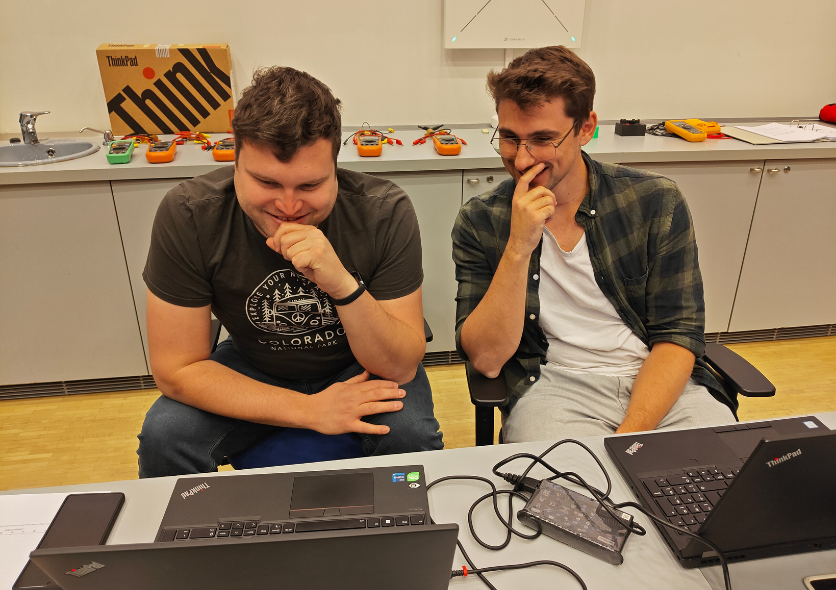

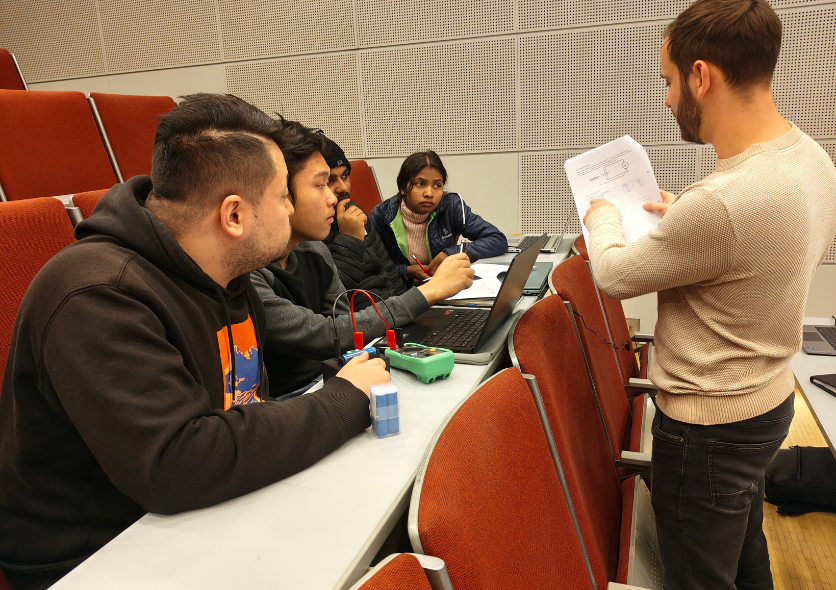
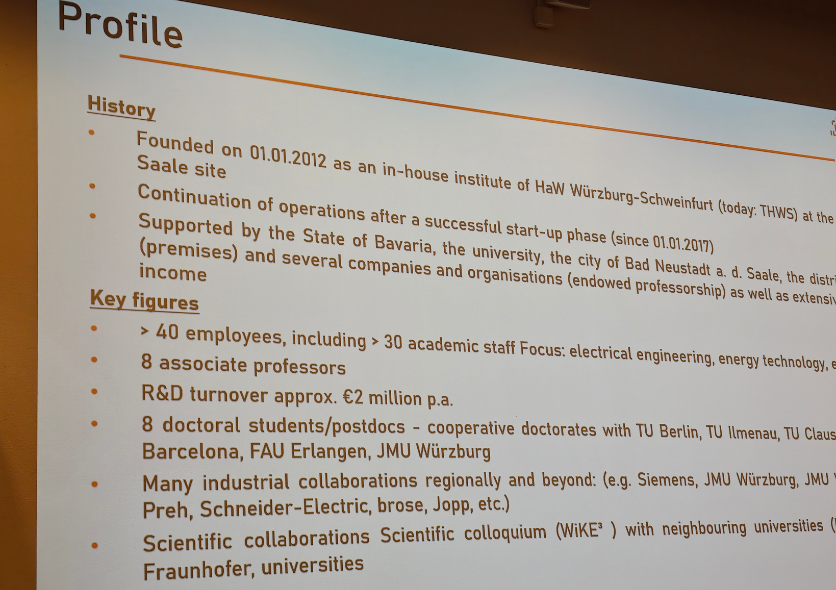
Following the digital exercises, the THWS experts demonstrated professional battery testing procedures and guided students through hands-on testing of different battery features. This practical component allowed participants to directly apply newly acquired knowledge and gain real-world experience with electric vehicle battery systems.
Piloting in Turkiye
In Turkiye, the Auto-Cove 2.0 project has advanced into the piloting phase of its study modules, putting developed educational materials into practice with students, teachers, and industry representatives. These piloting activities are part of the project’s wider efforts to strengthen electric vehicle education and ensure that vocational training meets emerging industry needs through real-world testing and feedback.
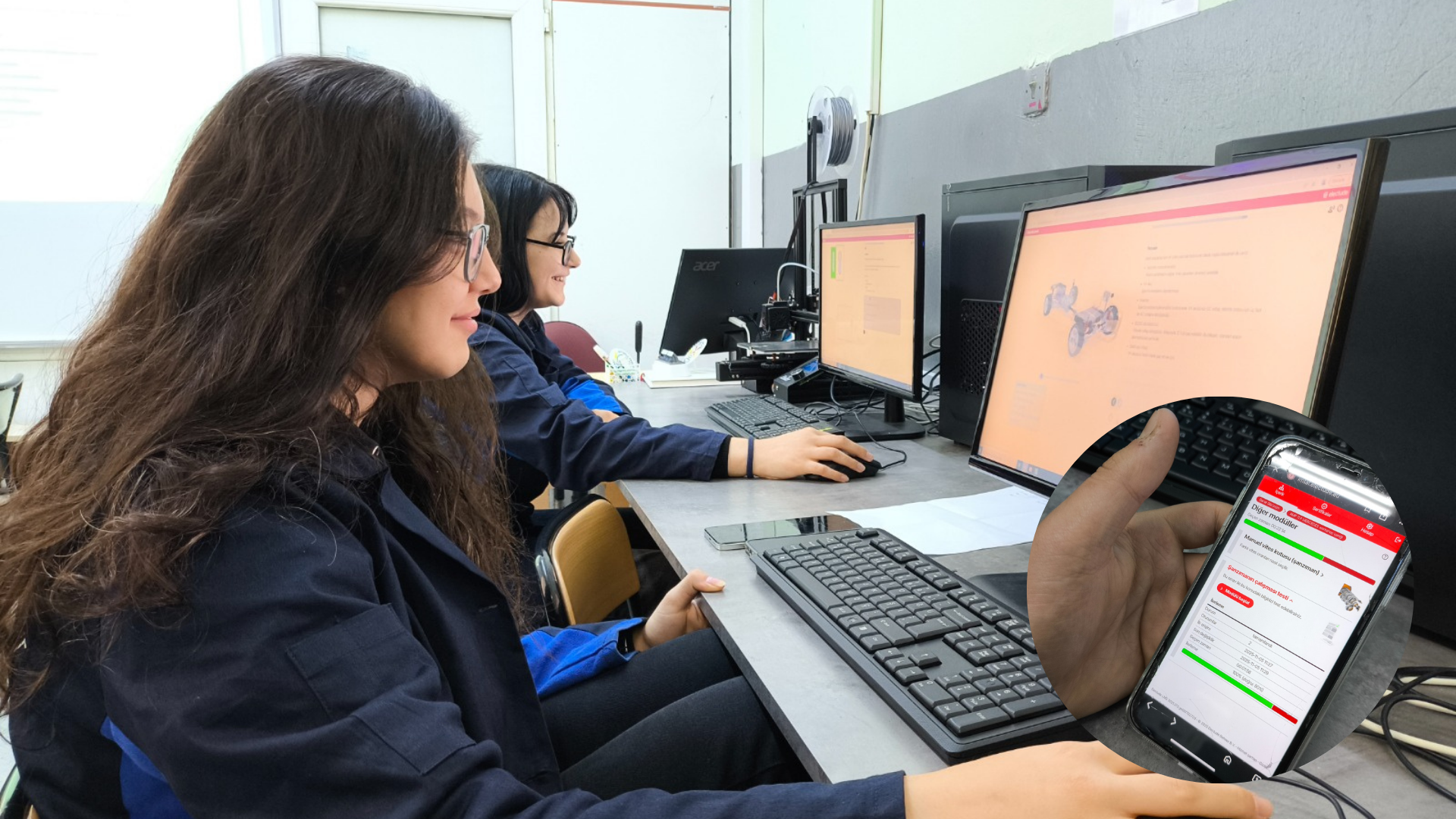
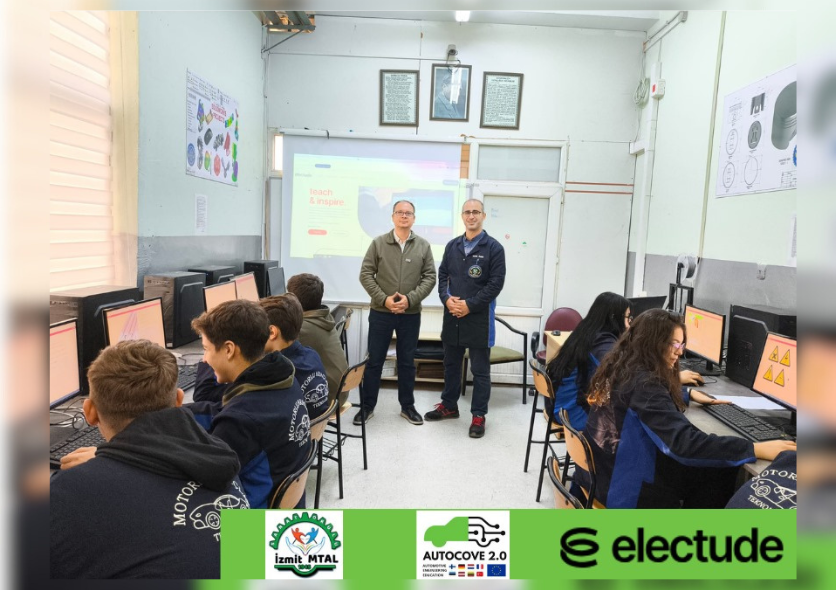
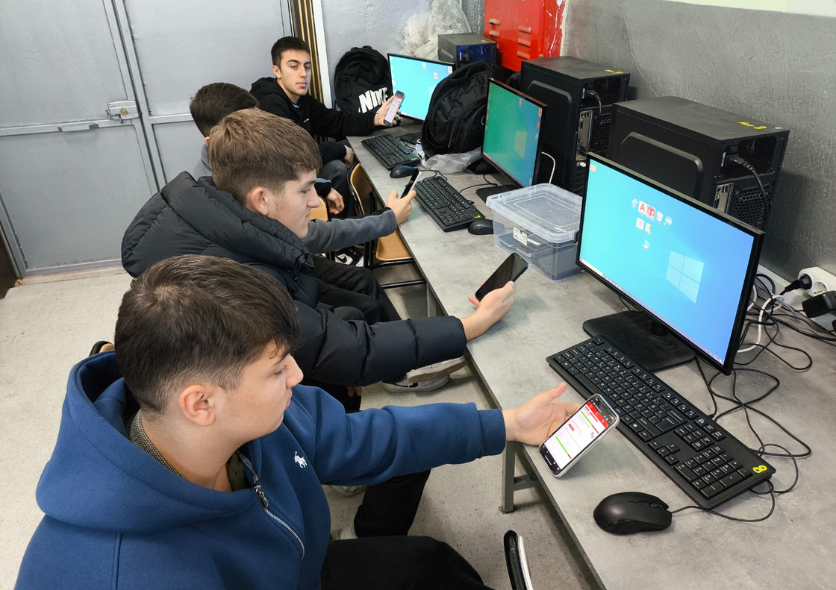
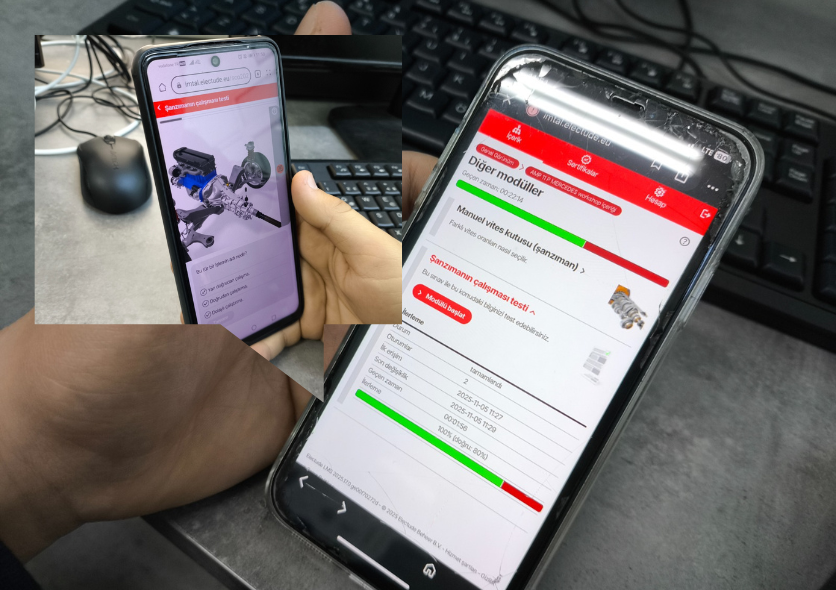
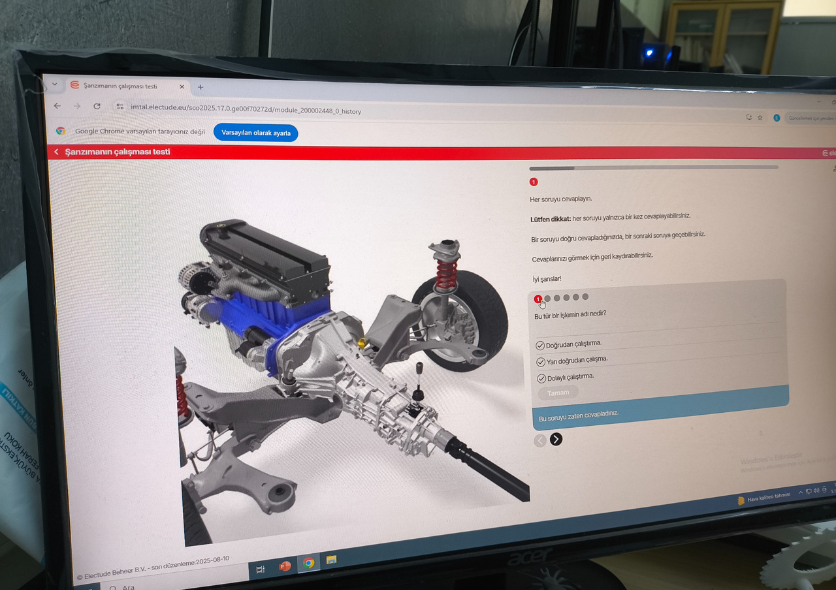
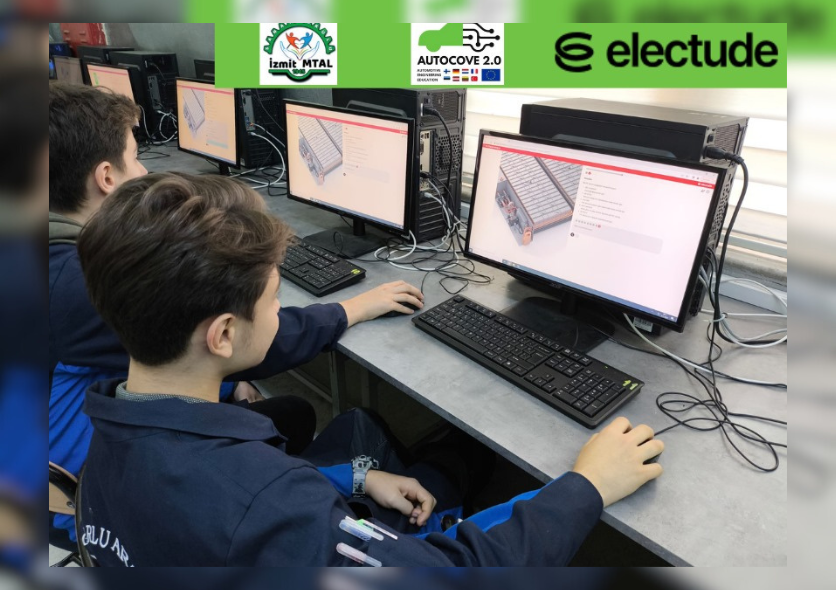
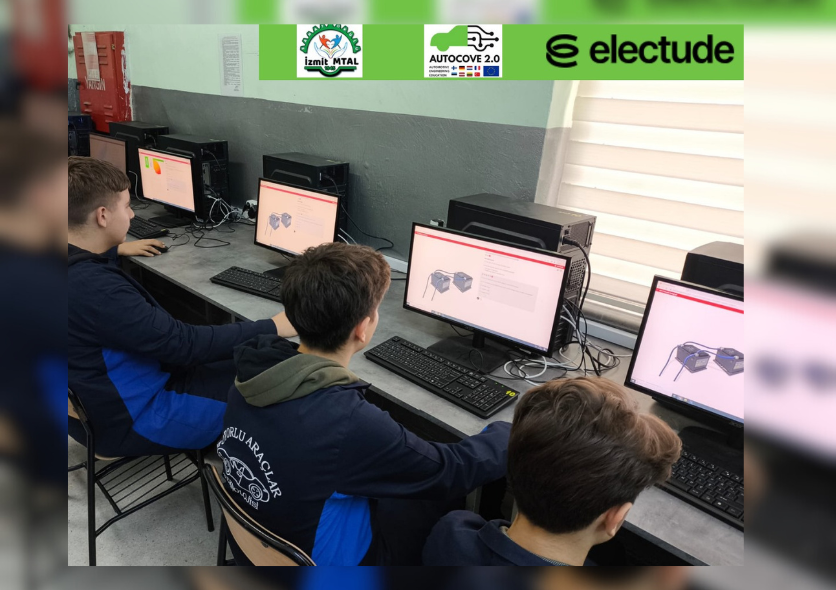
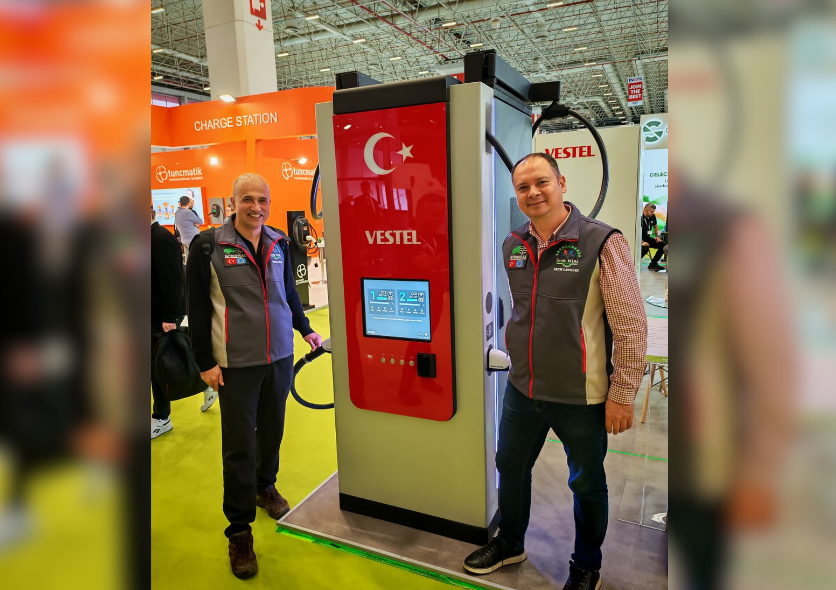
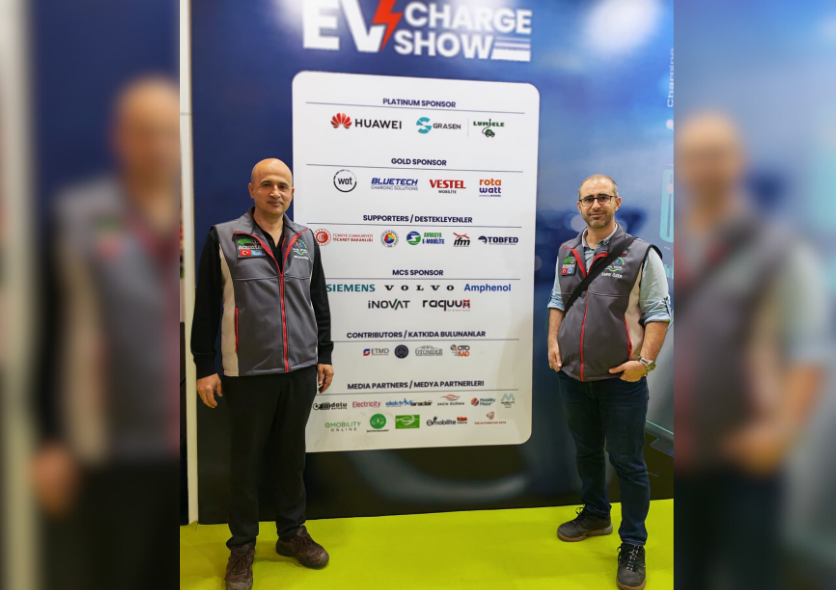
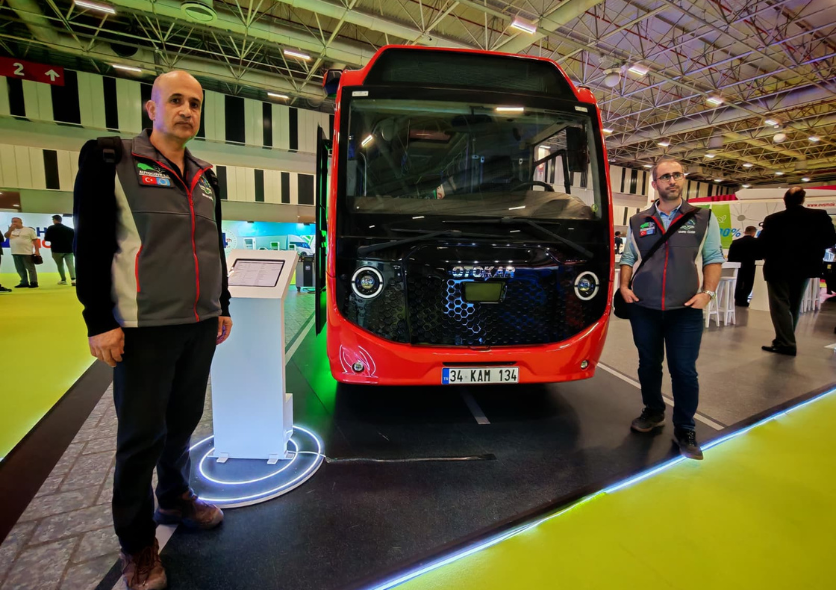
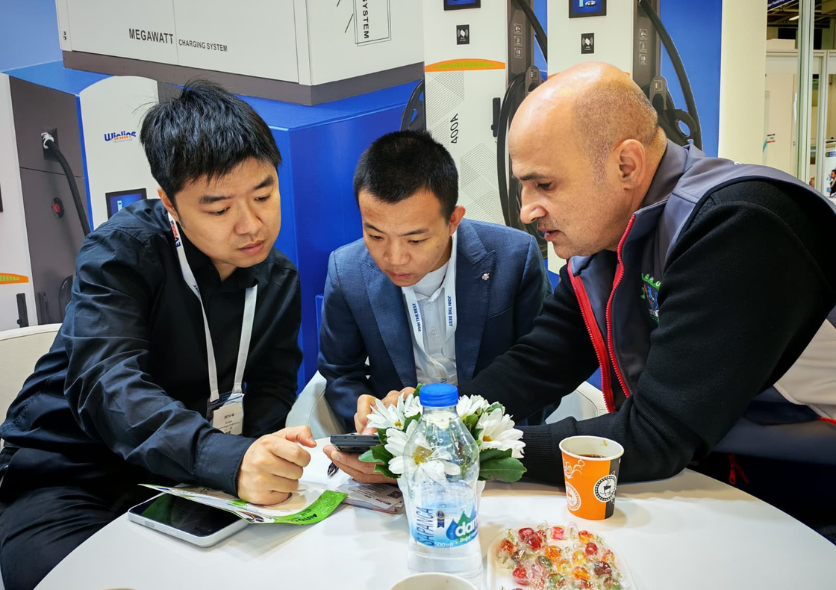
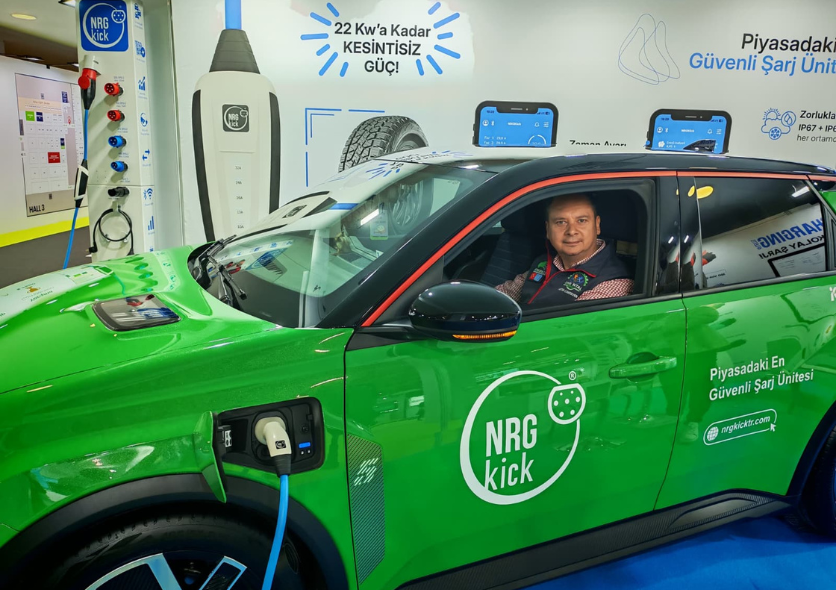

The Auto Cove 2.0 project brings together vocational education, industry collaboration, and modern learning environments to support the development of electric vehicle education. Project activities focus on improving training content, practical learning opportunities, and cooperation with external partners in the rapidly evolving automotive sector.
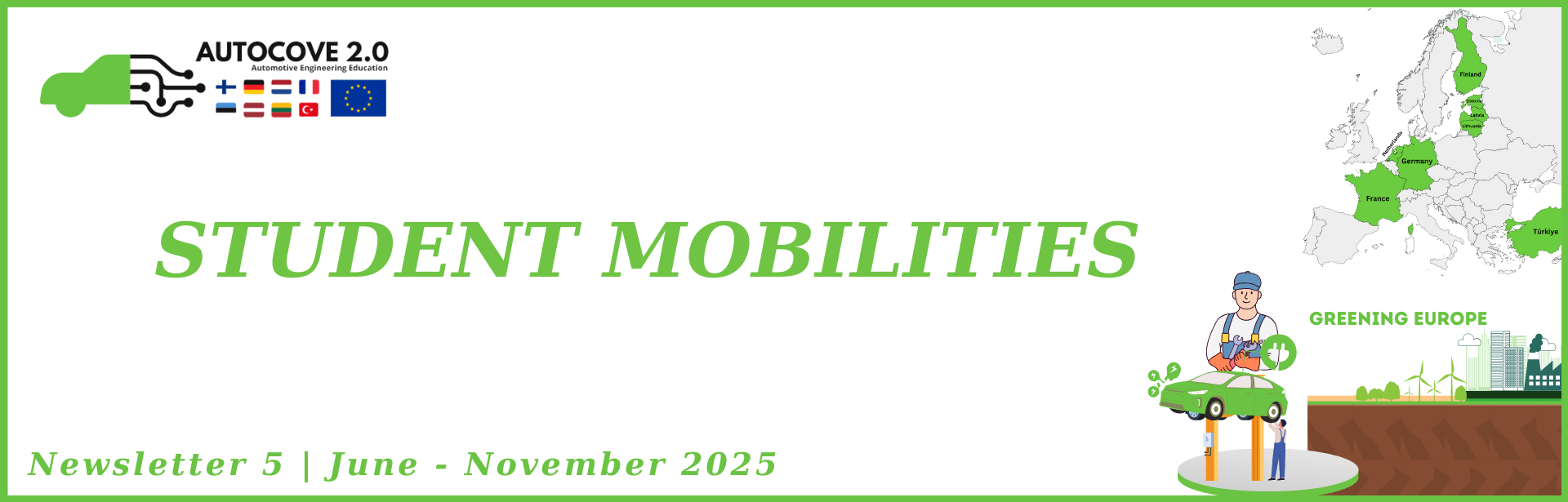
3 flows, 20 students, 272 days, 3 countries.
Auto-CoVE 2.0’s international internship programme aims to bridge the gap between vocational training and the rapidly evolving clean-vehicle industry. Through work-based learning across eight European countries, it provides students — both at secondary (VET) and tertiary (HEI) levels — with hands-on experience in electric, hybrid, hydrogen, and advanced vehicle systems
Inclusivity is a core principle: mobilities are designed to include students from underrepresented groups, with the aim that at least one-third of participants come from diverse or marginalized backgrounds.
Between June and November 2025, the programme comprised three student flows, involving 20 students (2 VET, 18 HEI) who collectively completed 272 days of internships across three countries.
HEI internship in Germany, Lithuania & Estonia
The Technical University of Applied Sciences Würzburg-Schweinfurt hosted six students from Lietuvos Inžinerijos Kolegija for a mobility program focused on sustainable vehicle technologies and modern energy systems. The internship combined theoretical instruction with hands-on experimentation, covering key topics such as battery technology and testing, charging infrastructure, vehicle systems, digital engineering tools, and future mobility concepts.
Students gained practical experience, particularly in battery technologies and charging systems, while working in a supportive and motivating learning environment. Interactive and competitive activities encouraged teamwork and problem-solving, and real electric vehicle testing helped connect theory with real-world applications. Overall, the mobility provided valuable insight into students’ current skill levels and strengthened their understanding of sustainable and interdisciplinary approaches to future transport systems.
Lietuvos Inžinerijos Kolegija hosted a hybrid internship for 12 students from the Estonian University of Life Sciences, combining three weeks of online learning with one week of on-site activities in Lithuania. The program focused on modern motorsport with an emphasis on electric and hybrid vehicles, covering topics such as racing dynamics, simulation-based training, data analytics, and event organization through expert-led lectures.
During the on-site phase, students took part in laboratory visits, simulator training, technical workshops at LIK’s Racing Division, and practical racing activities at the Nemunas Ring. Company visits and a cultural lecture complemented the technical content, giving participants a broader perspective on how electrification, data-driven development, and sustainability are transforming motorsport and automotive engineering.
The Estonian University of Life Sciences hosted a two-week MATLAB summer school for 12 students from the Technical University of Applied Sciences Würzburg-Schweinfurt (THWS). The 40-hour program offered hands-on training in MATLAB fundamentals, numerical methods, and the modeling and simulation of mechanical systems through practical exercises.
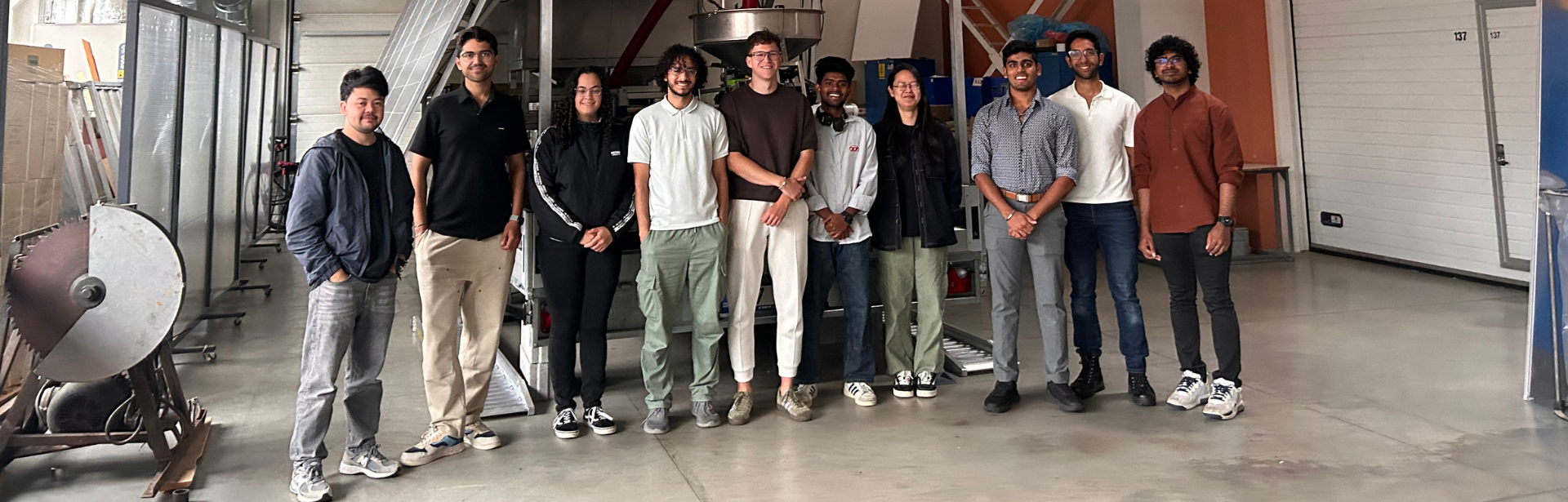
The course supported students’ academic and professional development by linking theory with real-world applications, as emphasized by Prof. Günther Bohn (THWS). With relevance to battery systems, fuel cells, and ADAS, the training aligned well with AutoCove 2.0 objectives and successfully replaced a traditional industrial internship, with all participants completing the program successfully.
VET internship in Lithuania
Omnia motorsport students Miko Vähälummukka and Janter Eha completed an intensive internship in Kaunas, Lithuania, working with the LIK Polytechnic racing team. During the mobility, they supported circuit racing, karting, and drift vehicles and also took part in an international racing competition in Poland as members of the servicing crew.
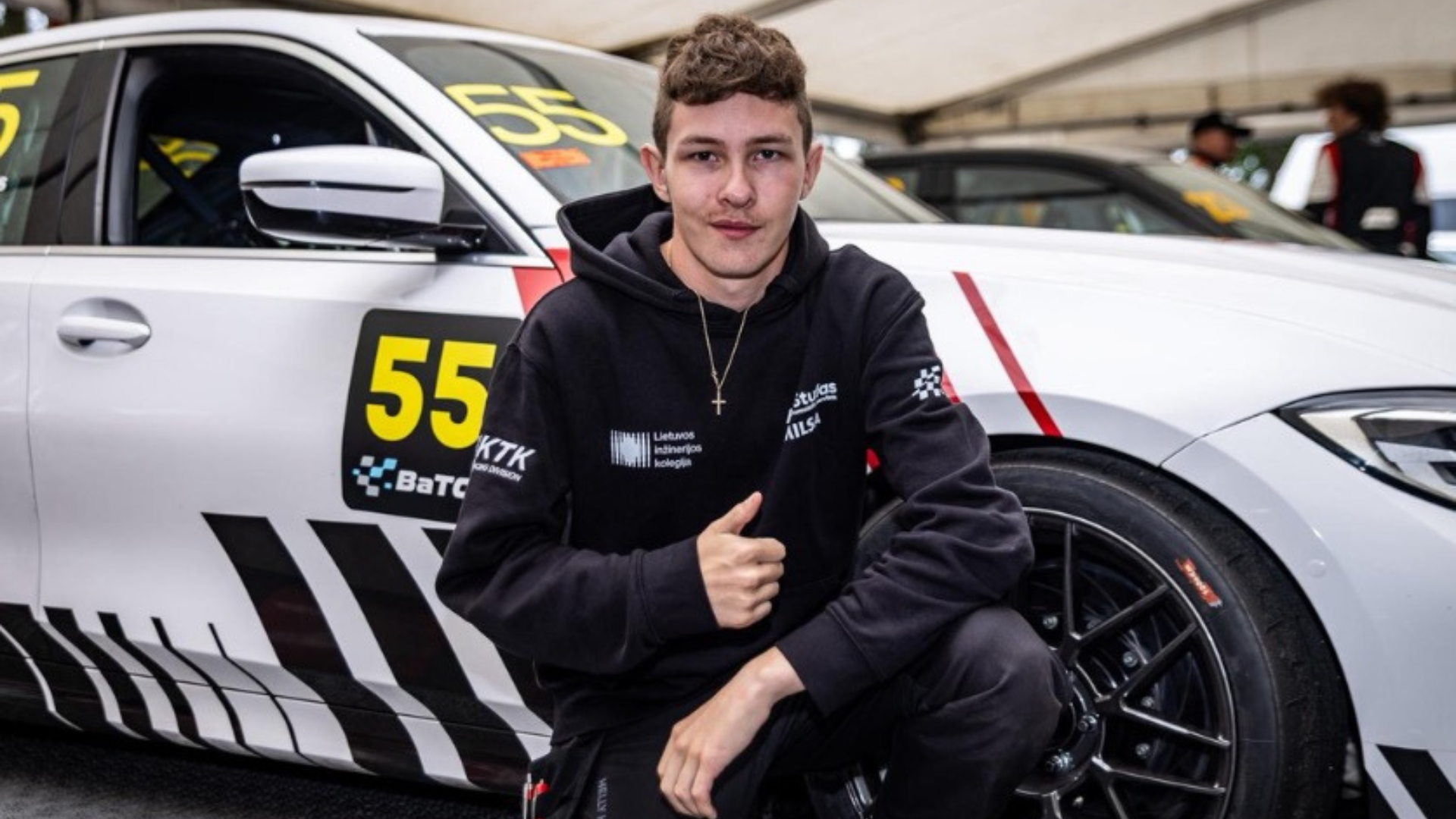
The students were involved in vehicle inspection, maintenance, chassis and brake adjustments, tyre work, and general servicing, gaining hands-on experience with professional tools and equipment. A key learning highlight was working with go-karts for the first time, which broadened their understanding of different motorsport disciplines. Throughout the internship, both students demonstrated strong teamwork, technical skills, and high standards in work safety and environmental protection, making them valued members of the racing team.

CoVE forum in Kolding: Building the Future of Skills
From 8–10 September 2025, the city of Kolding, Denmark, hosted the Centres of Vocational Excellence (CoVE) Forum, bringing together European VET leaders, policymakers, practitioners, and students to discuss the future of vocational education and training. As a UNESCO City of Design, Kolding provided an inspiring setting for dialogue on skills development, innovation, and sustainability, with the Auto CoVE 2.0 project actively contributing throughout the event.
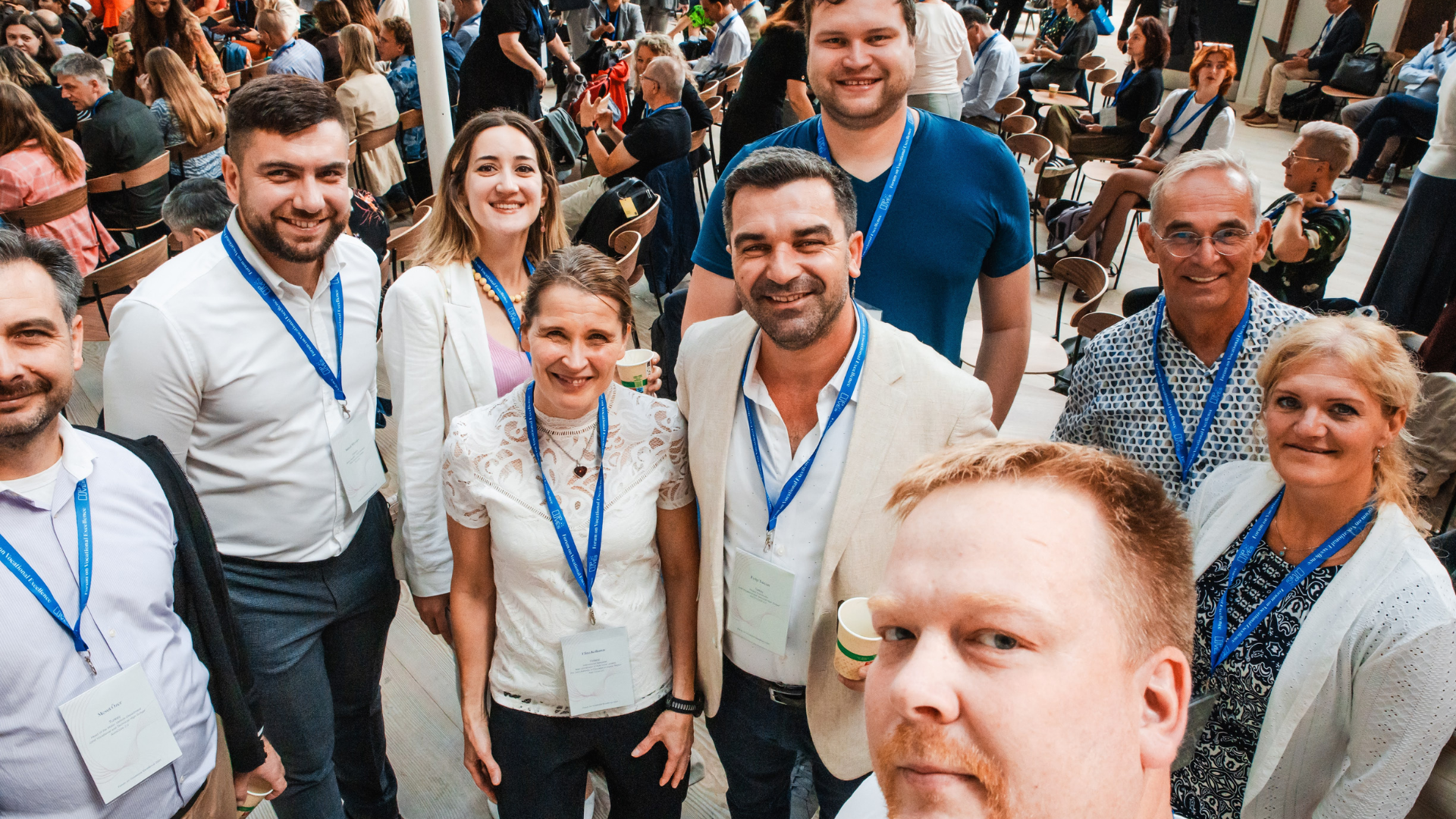
The forum combined high-level discussions, panel debates, workshops, and study visits focusing on excellence in VET, Europe’s competitiveness, green transition, and learner mobility. A key highlight was the workshop “Blueprints for Brilliance: Designing Diverse Centres of Vocational Excellence,” where Omnia’s project coordinator Elina Kollanus presented the Auto CoVE 2.0 vision. The event concluded with study visits showcasing Denmark’s green energy ecosystem and a closing session recognizing student contributions and outlining future CoVE Forums in Austria and Greece, reinforcing the role of vocational education in building an innovative, inclusive, and future-ready workforce.
Steering Committee Convenes in ‘s-Hertogenbosch
In September 2025, the Auto CoVE 2.0 consortium held its 5th Transnational Meeting in ’s-Hertogenbosch, the Netherlands, hosted by Koning Willem I College (KW1C). Project partners from across Europe gathered to review progress, strengthen cooperation, and coordinate next steps in advancing green mobility and clean-tech education within vocational training.
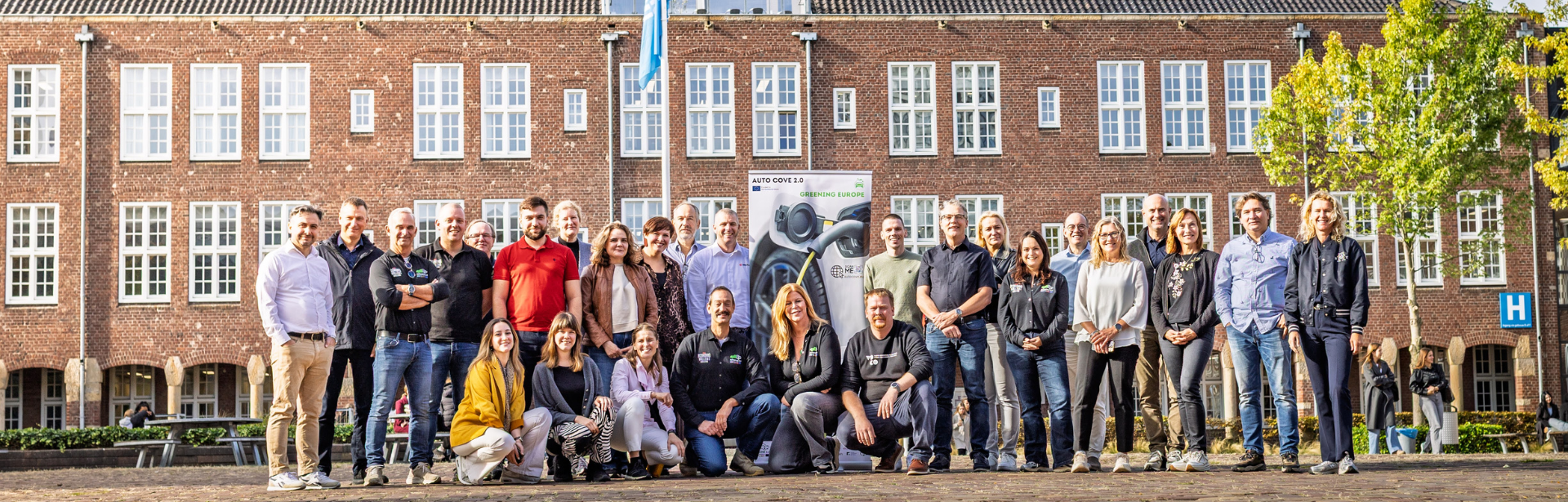
Over two days, participants discussed work package developments, teacher training, e-learning solutions, and student mobility activities, alongside visits to Electude and KW1C’s Mobility and Logistics department. The meeting combined productive working sessions with networking and cultural activities, reinforcing the consortium’s shared commitment to vocational excellence and preparing future professionals for a sustainable transport sector.
4th Collaborative Development Workshop in the Netherlands
From 18–20 November 2025, the Auto CoVE 2.0 consortium held its 4th Collaborative Development Workshop in ’s-Hertogenbosch, the Netherlands, hosted by Koning Willem I College (KW1C). The three-day event brought together vocational institutions, universities, technology providers, and industry partners to advance clean-tech vehicle education, with a strong focus on electric mobility, hydrogen technology, and ADAS.
The workshop combined project updates, hands-on training, and collaborative development activities. Participants explored innovations in Electude-based learning, course design, and piloting strategies, took part in practical ADAS and hydrogen vehicle training, and shared experiences from student mobility and industry cooperation. Through intensive collaboration and applied learning, the event strengthened cross-border partnerships and reinforced the project’s commitment to equipping future professionals with skills for Europe’s green mobility transition.
Project gains national television coverage in the Netherlands
As mobility and automotive industries evolve rapidly, education must adapt to meet growing demands for sustainability, digitalization, and industry relevance. In this context, national television coverage featuring Toon Bertens from Koning Willem I College (KW1C) showcases how mobility and logistics education is being reshaped through hands-on learning, real-world projects, and close cooperation with industry. As both an educator at KW1C and a member of the Auto CoVE 2.0 project team, Bertens presents a forward-looking vision of education that connects classrooms directly with modern mobility practices.
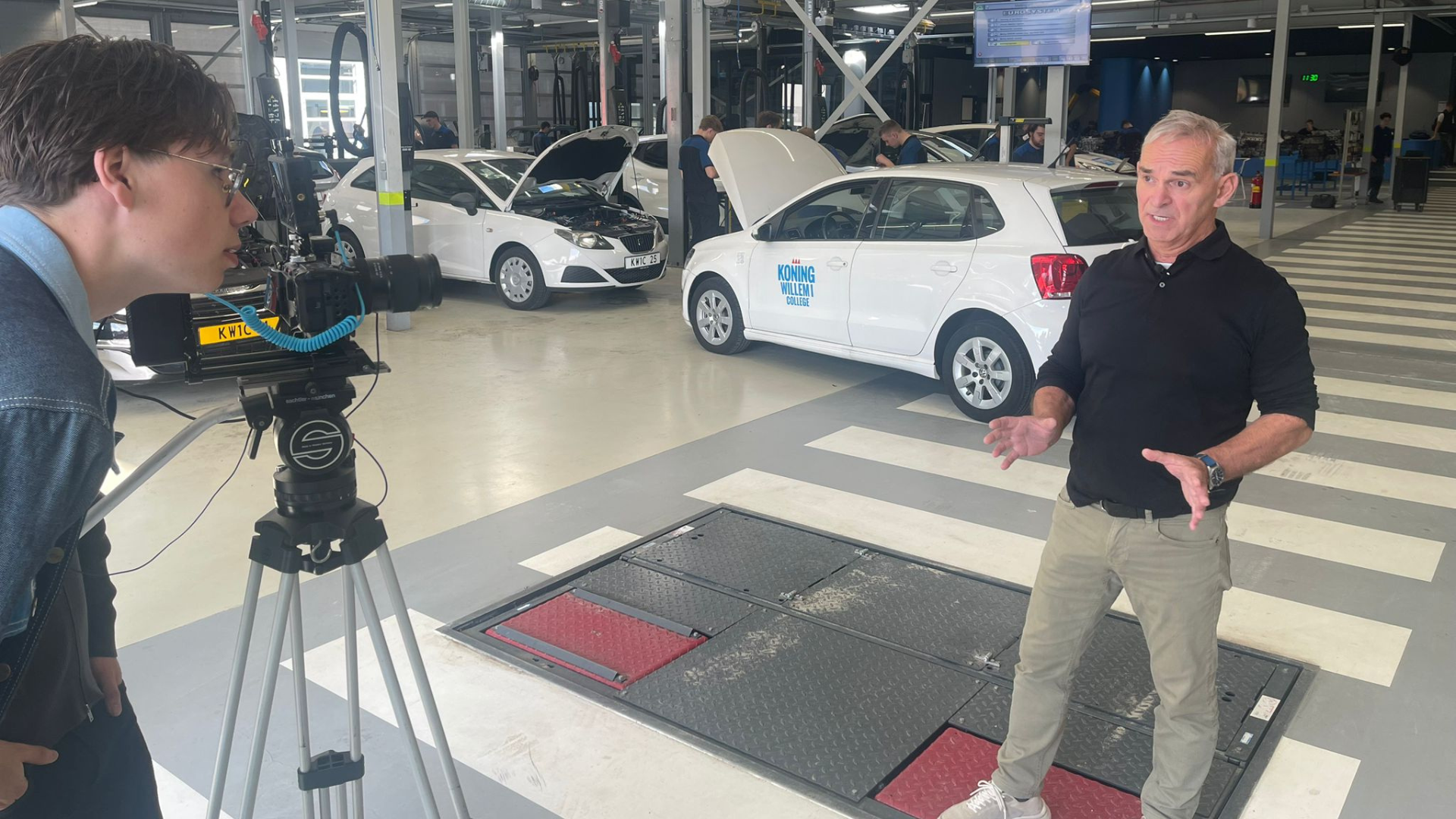
The video, broadcast on national TV, highlights how these educational approaches align with the objectives of Auto CoVE 2.0—bridging education and industry through applied learning, innovation, and international collaboration—while preparing students to actively contribute to Europe’s sustainable, smart, and connected mobility future.
Funded by the European Union. Views and opinions expressed are however those of the author(s) only and do not necessarily reflect those of the European Union or the European Education and Culture Executive Agency (EACEA). Neither the European Union nor EACEA can be held responsible for them.
Prepared by:
Auto Cove 2.0
Project team